TXST students search for missing World War II airmen in France

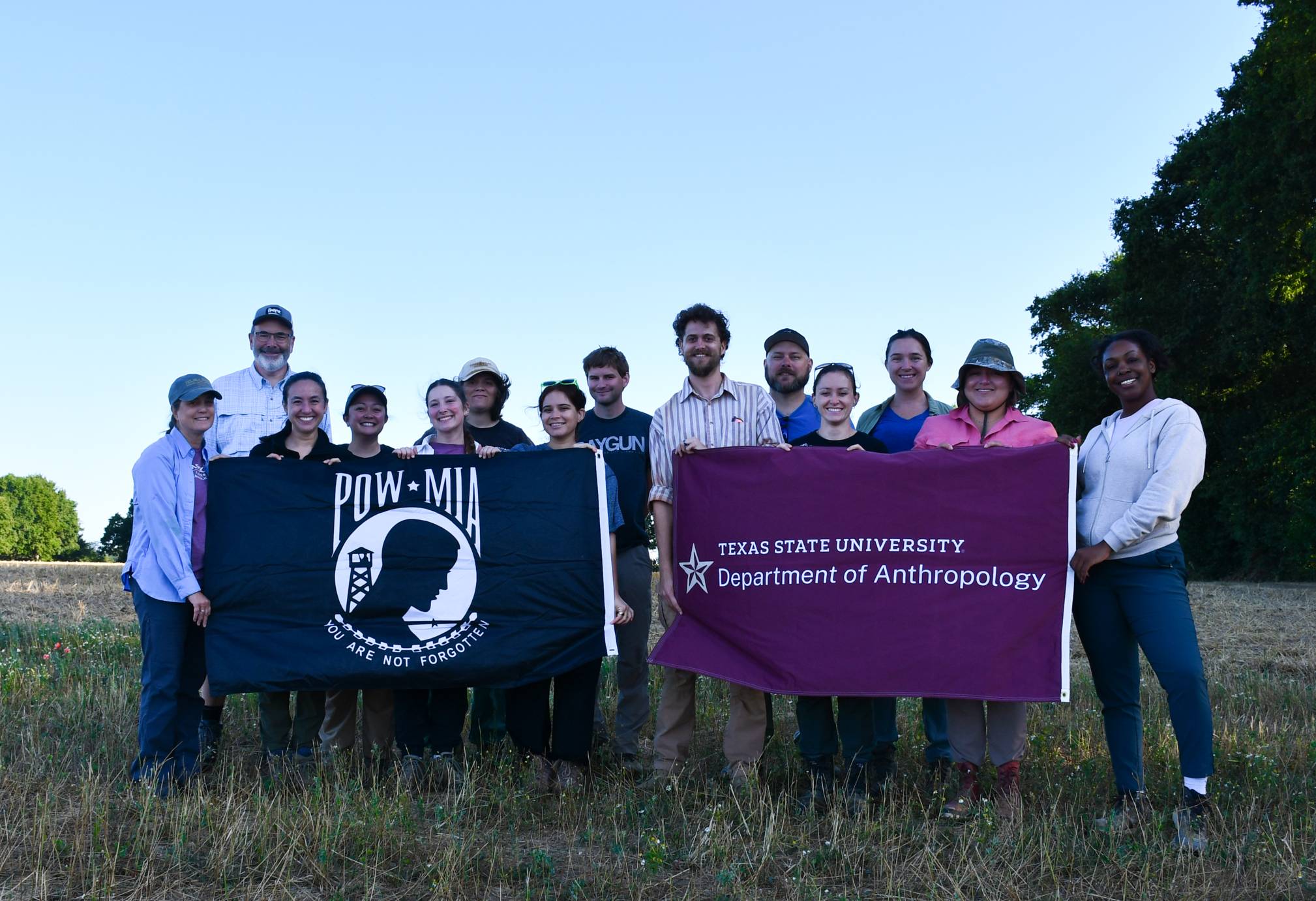
TXST team in France for the 2026 field season

A grant from the Defense POW/MIA Accounting Agency (DPAA) brought Texas State University faculty and students back to France for a second year of searching for four airmen missing since World War II.

The Defense POW/MIA Accounting Agency (DPAA) reports that more than 80,000 U.S. service members are missing from World War II, the Korean War, the Vietnam War, and the Cold War. That number includes 4,085 Texans. The DPAA is charged with searching for these Americans, recovering their remains and identifying them when possible.

The work can take years of reviewing historical records, following leads, and speaking with people who remember what happened at a site, and that is before the excavation even begins.

The national mission brought a Texas State University team to a field in Brittany, France, where four U.S. airmen have been missing since World War II. During a 1943 bombing mission, German fighter planes attacked a U.S. aircraft, which crashed in the French countryside. Three crew members parachuted to safety. Four others were never accounted for and remain missing today.

“We view this project as a humanitarian mission that helps make the missing whole in the eyes of their families and society. For veterans and veterans’ families, knowing what happened to their loved ones is important to helping close that chapter of their life,” said Todd Ahlman, director of TXST’s Center for Archaeological Studies.

group photo of 11 people. they are in a pale blue room and standing behind a table with chairs
TXST team in Brittany, France, in July 2026.

What did the first TXST DPAA field recovery mission involve?

In summer 2025, a $278,000 grant from DPAA gave TXST students their first opportunity to join the recovery effort. The grant covered travel, food, field tools, and paid work for students.

Ahlman led the project with Nick Herrmann, Ph.D., a professor in the Department of Anthropology, and Ashley McKeown, Ph.D., a professor of instruction in the Department of Anthropology.

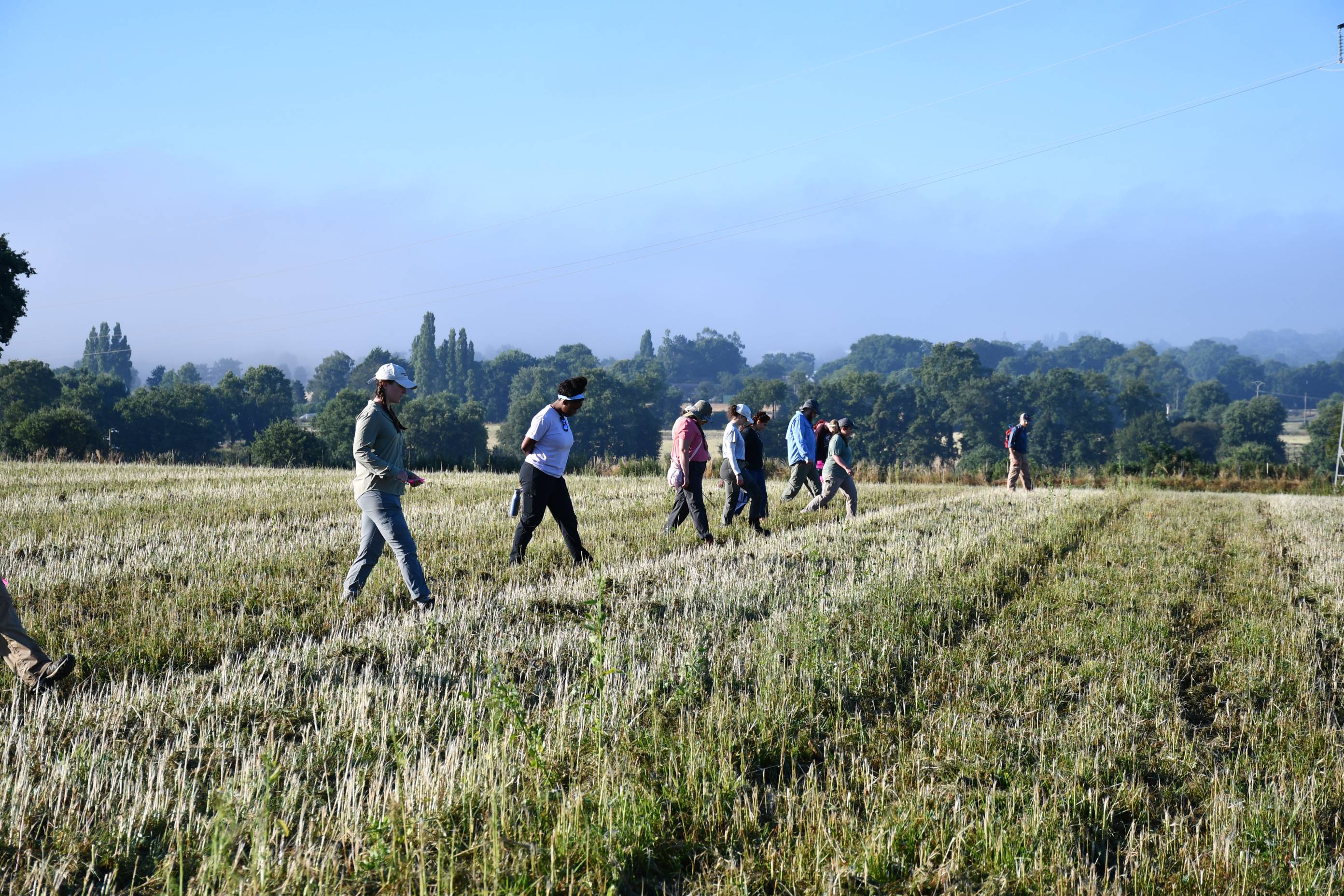
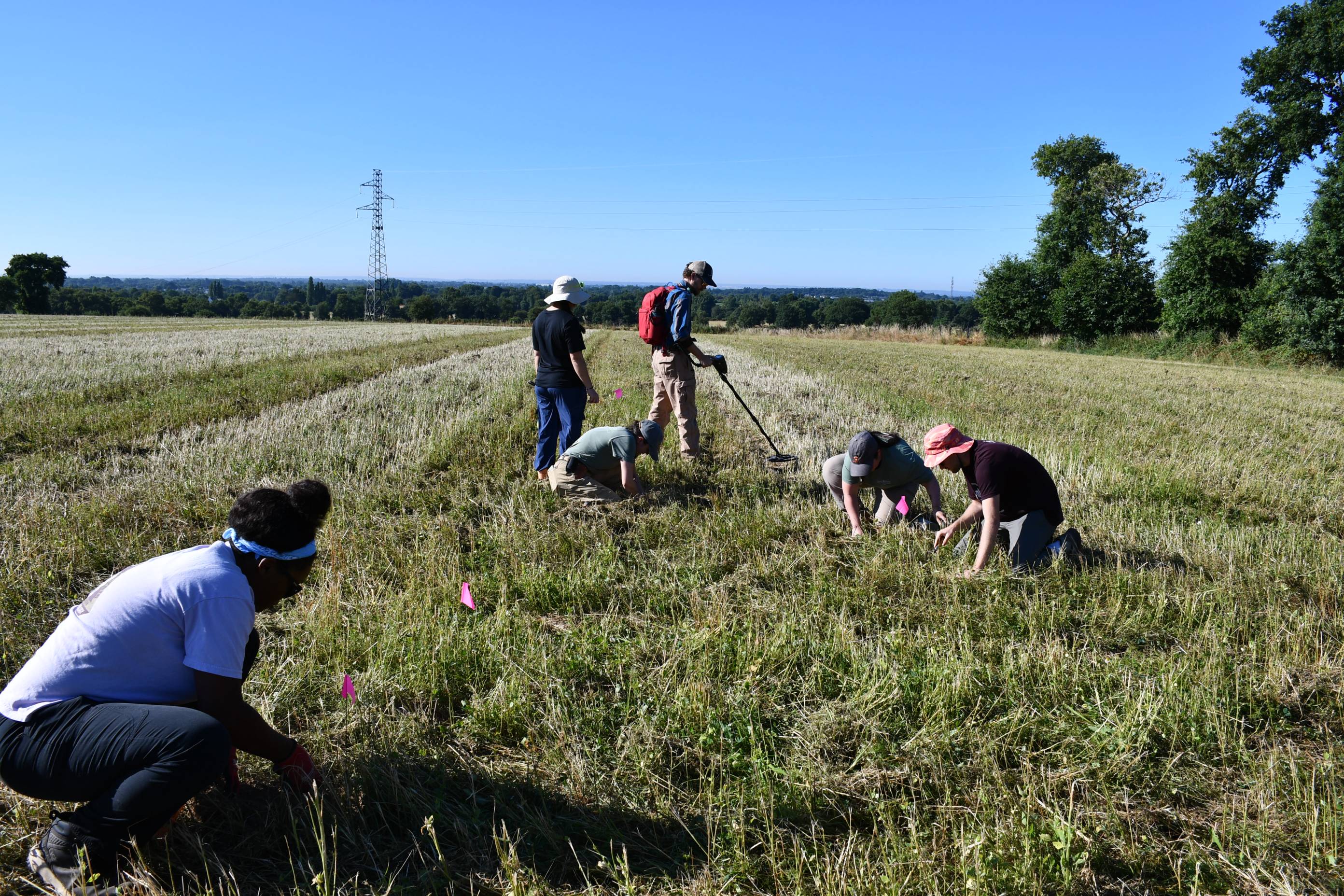
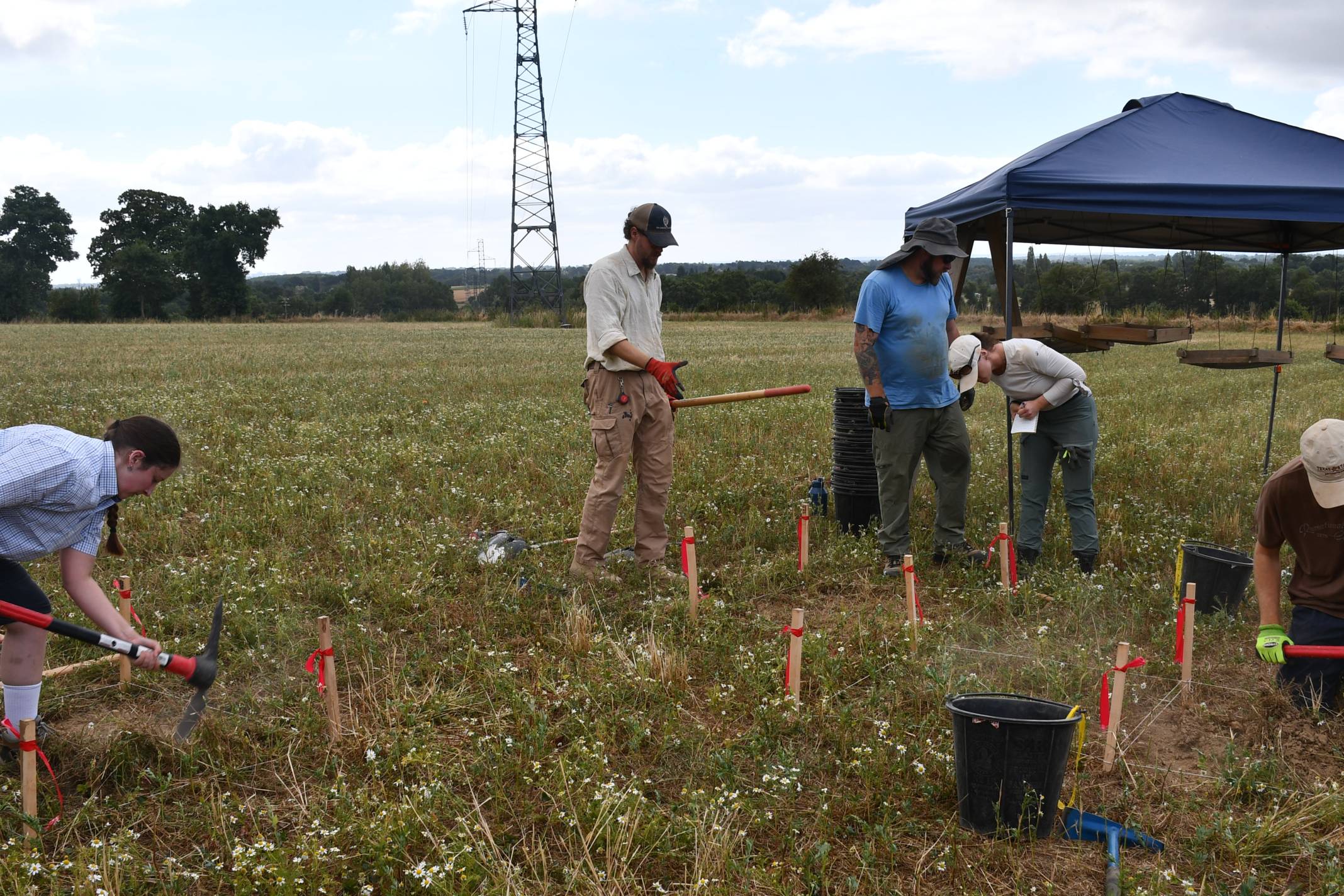
During the four-week field season, students began by walking the field with metal detectors and recording each signal. They used ground-penetrating radar and a gradiometer, tools that help reveal patterns below the surface.

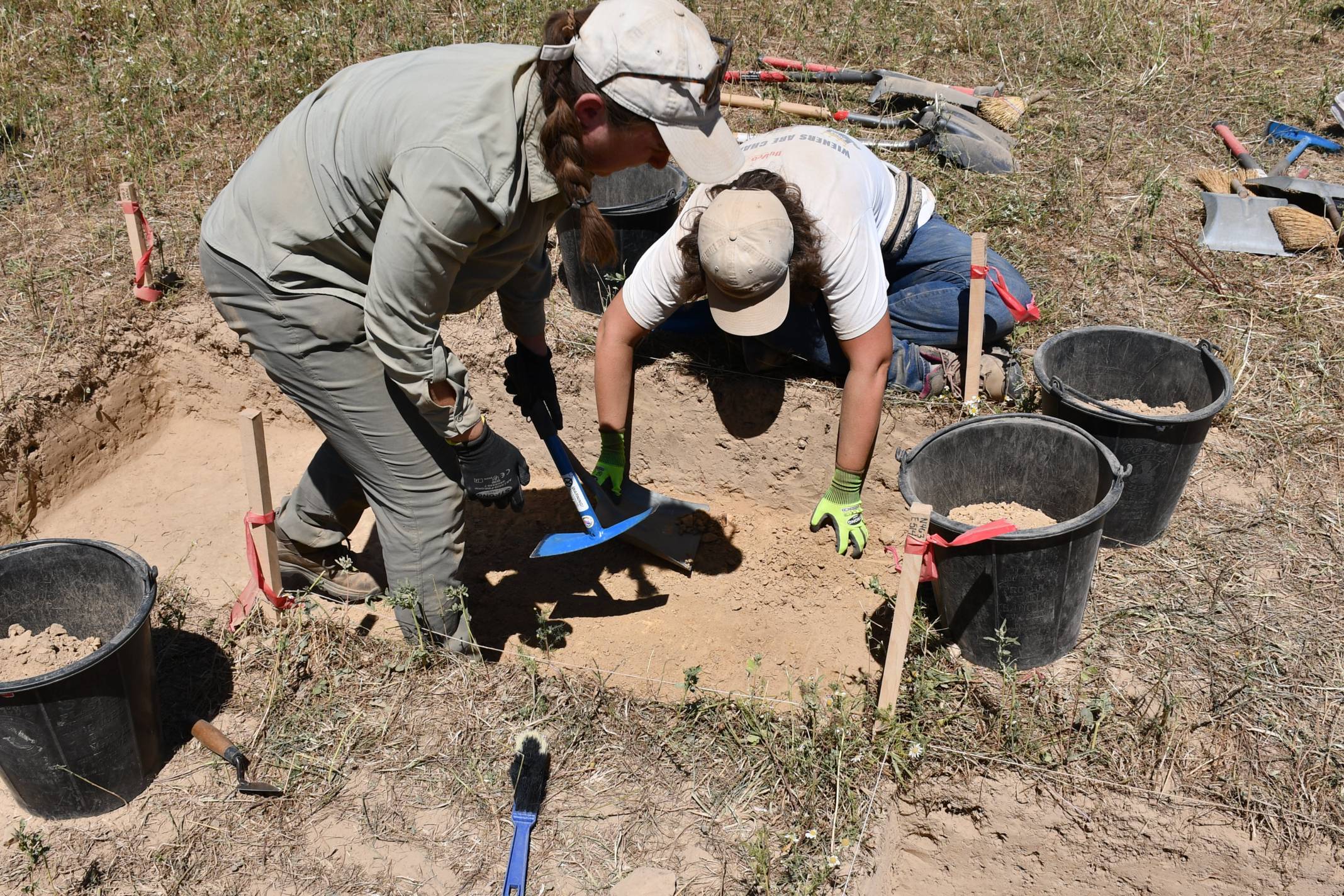
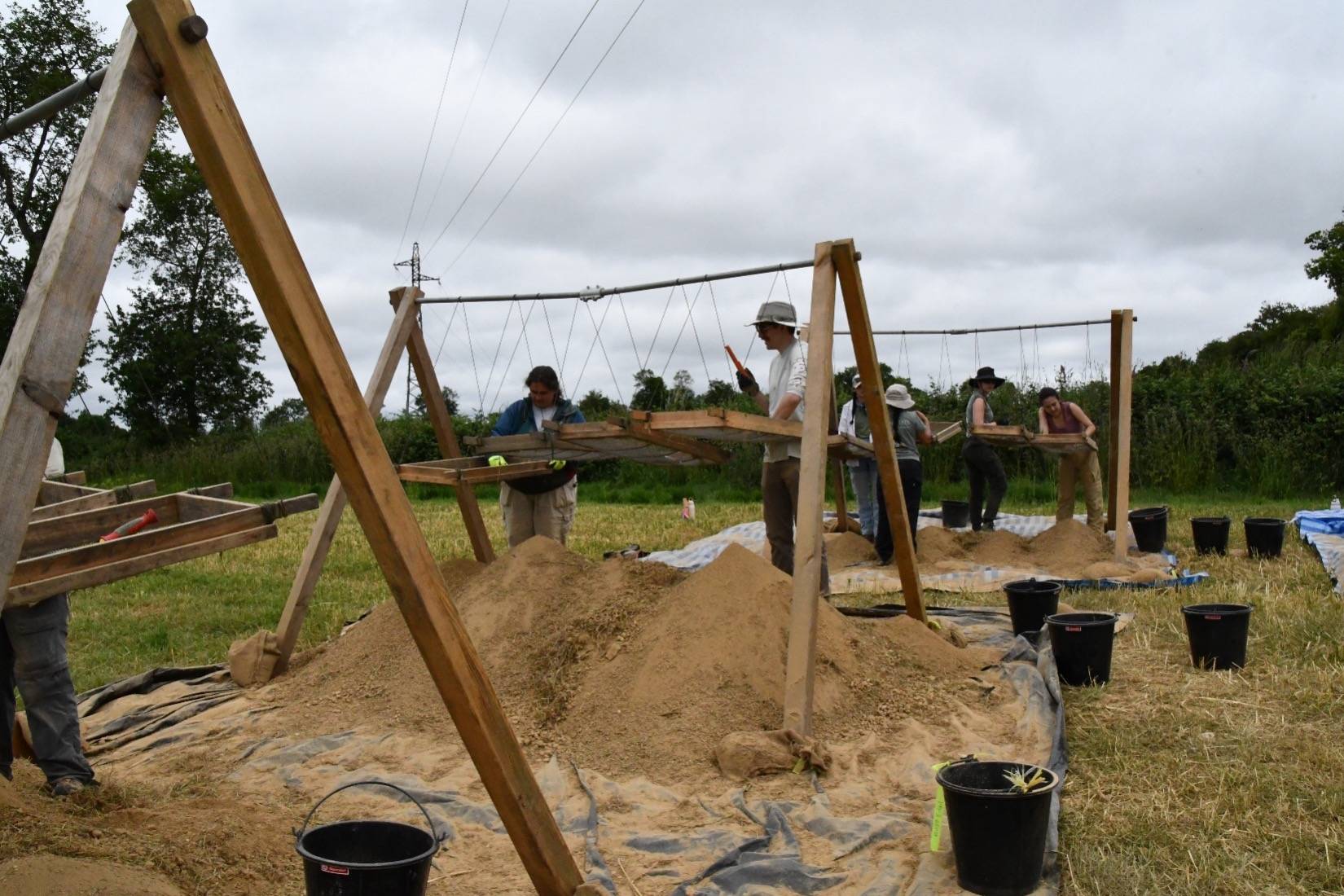
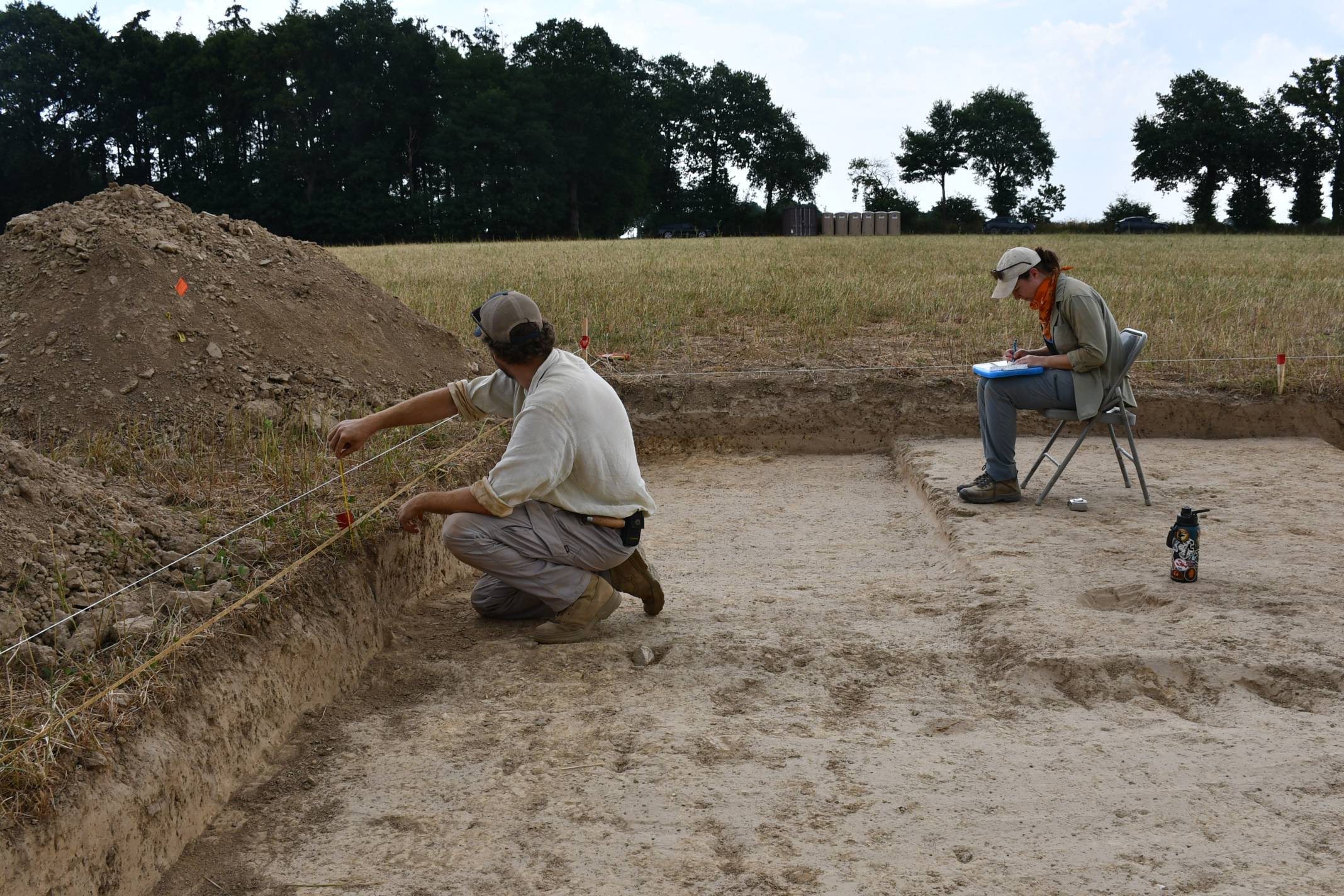
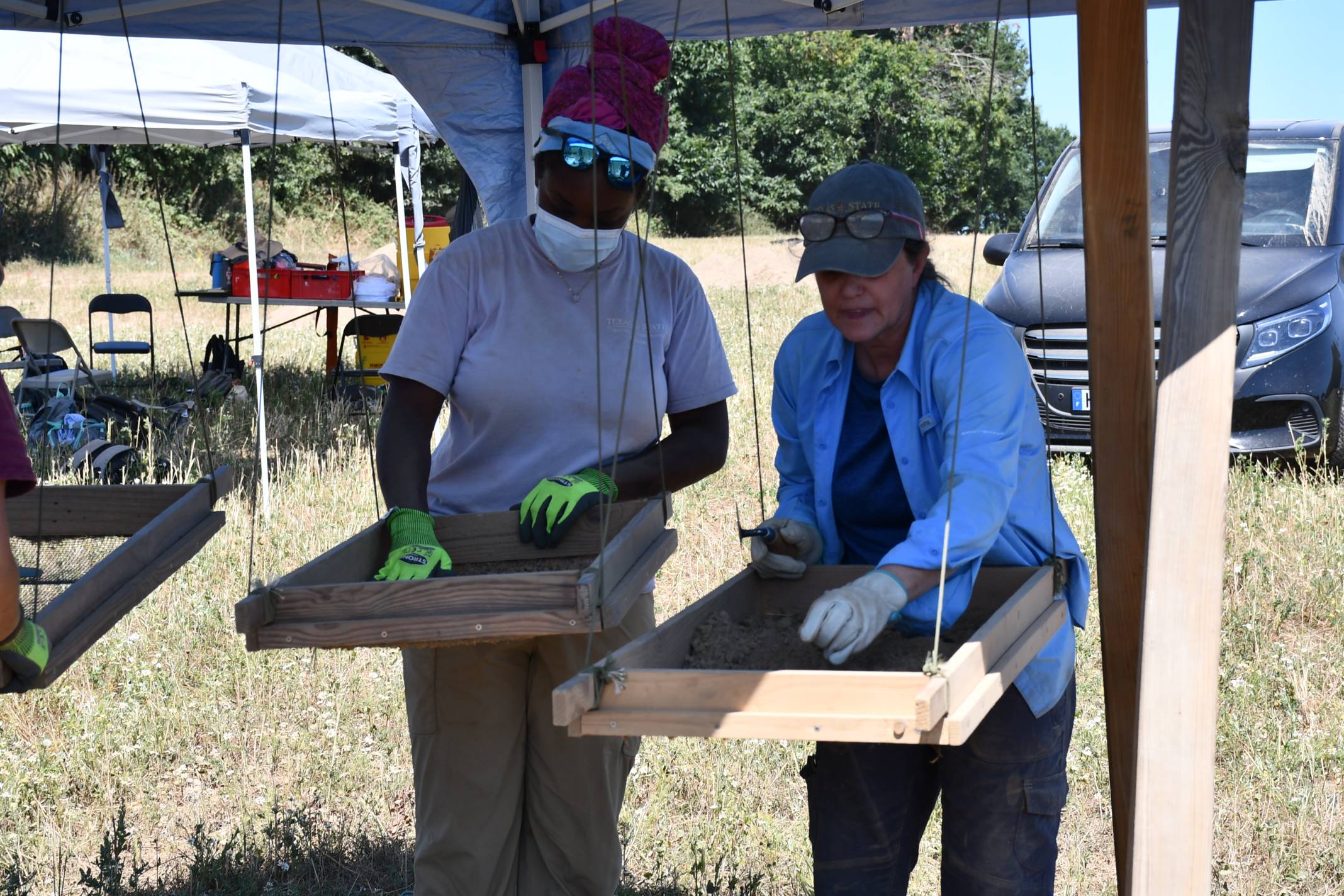
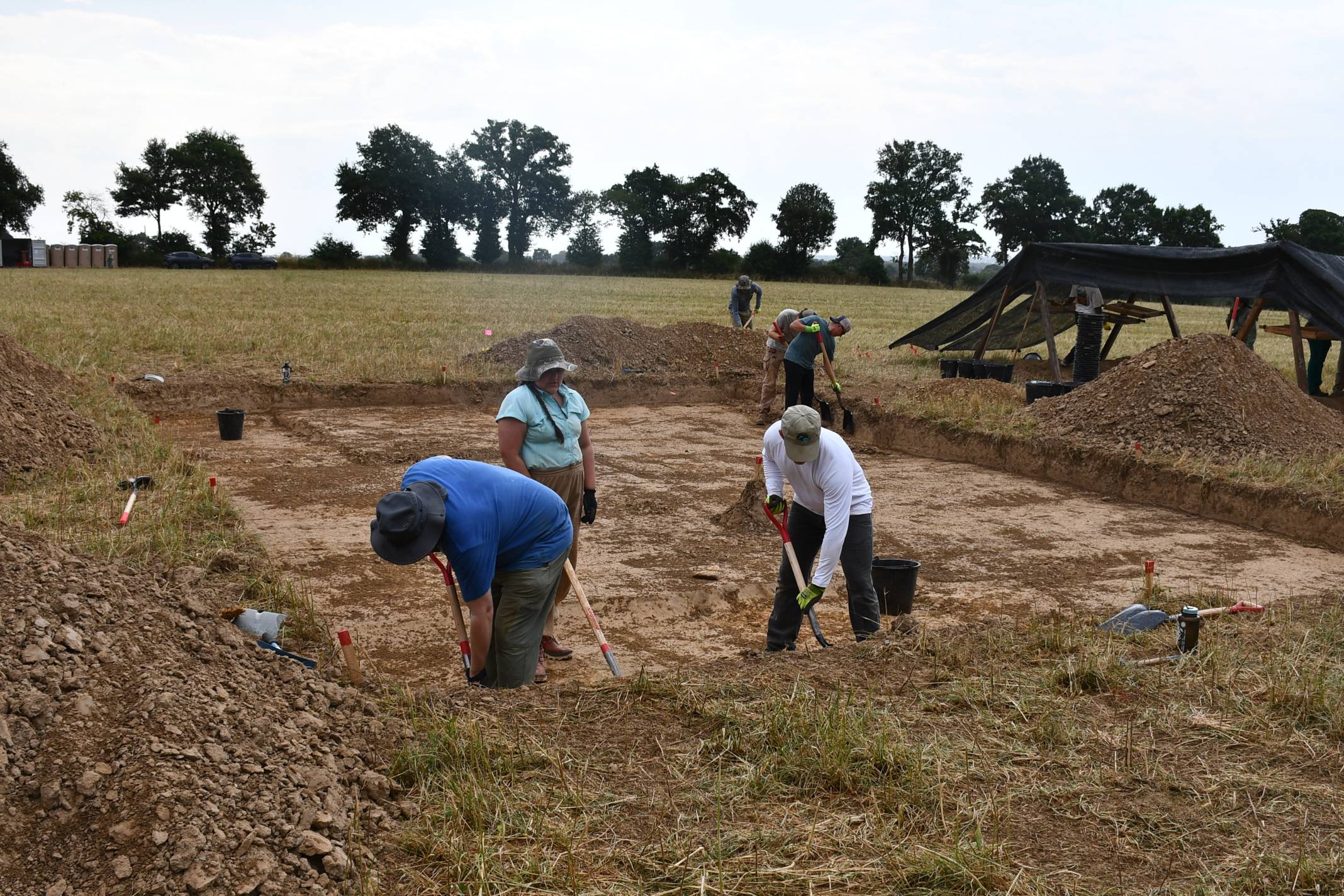
Once the surveys gave researchers a general picture of the site, students divided the field into small, marked-off excavation areas. They dug carefully, passed soil through screens to catch small fragments, and recorded every item they found.

By the end of the 2025 field season, the team had recovered significant aircraft debris and created maps and artifact records showing where it was found.

placement
group photo of 11 people. they are in a pale blue room and standing behind a table with chairs

More layers to the search in summer 2026

A heat wave was gripping Brittany, France, when 11 TXST students and recent graduates arrived for a four-week field season in July 2026. Temperatures near Rennes topped 100 degrees Fahrenheit.

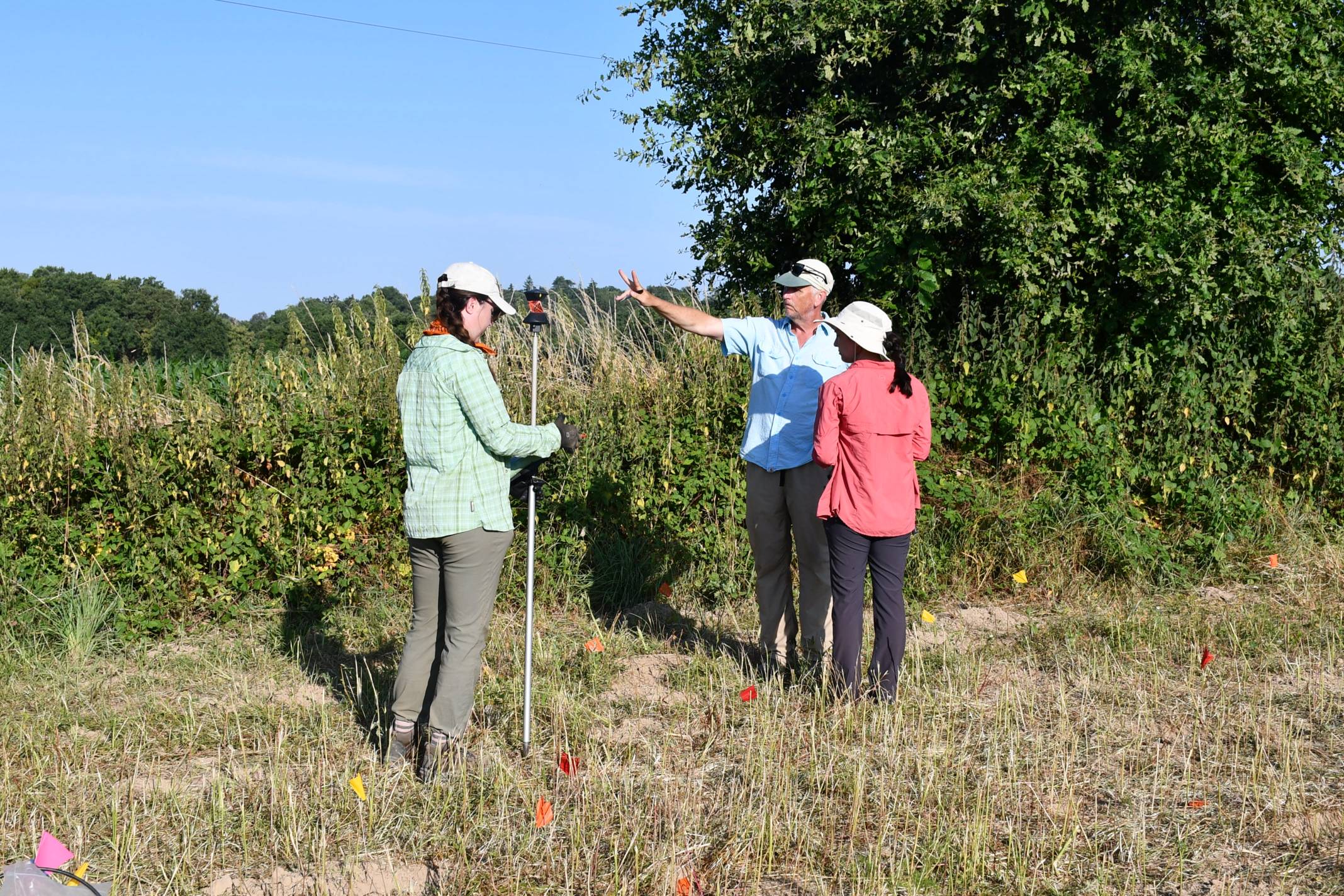
Led by Ahlman, McKeown, and Herrmann, the team returned with maps, artifact records, and survey results from 2025. An earlier ground-penetrating radar scan had suggested a large concentration of aircraft wreckage in a different field, so the team began there. The faculty led the fieldwork, reviewed each day’s evidence with students, and helped decide where the group should focus next.

Keegan Beane, a third-year doctoral candidate in applied anthropology from upstate South Carolina, served as field archaeologist. This was her third DPAA mission, following earlier work in Germany and the 2025 field season in France. Mara Stumpf, also an applied anthropology doctoral student from Raleigh, North Carolina, served as crew chief.

Beane drafted daily reports, classified evidence, and helped plan the next day’s work. Stumpf worked with her to rotate students among metal detecting, digging, screening soil, mapping, and recording artifacts. They also tracked rest breaks so the crew could work safely through the heat.

"Throughout the season, we did our best to make sure that people were rotating stations, learning new parts of the excavation processes, and tried to mix up who people were grouped with as well,” said Stumpf.

The team first excavated the area identified by the earlier ground scan. However, it did not contain the large concentration of wreckage researchers expected.

The group also learned more about the site’s recent history through the landowners who welcomed the students onto their property. For about 80 years, the landowners’ family had moved aircraft debris toward the field edge. That meant some metal detector readings reflected farming and cleanup, as well as the crash.

“This shows the importance of maintaining good landowner relations in these sorts of projects,” Ahlman said. “Archaeology never goes as planned, and it is important for students and early career researchers to learn how to be flexible in their approach. The work we do is a prime example of having to be flexible and pivoting when things may not be going as planned.”

In an attempt to find an efficient solution, the team rented a magnetometer, a tool that measures magnetic fields and can help locate buried metal. With prior experience using a magnetometer, Beane and Stump set up the equipment, laid out the survey area, and walked the planned lines in areas the team had not yet searched.

“When we realized that our initial course was not exactly what we had expected it to be, we stayed determined. It is always important to remember that ruling out a specific area is also an important part of the investigation,” said Stumpf.

Over two days, the survey showed a “hotspot,” a patch of ground with a strong magnetic signal that pointed to a dense concentration of aircraft wreckage or a possible pit containing material linked to the crash.

Before leaving France, the team excavated small test areas around the hotspot and found additional wreckage. The work gave researchers a new target for 2027. The team hopes to return to investigate that area and search one final field.


woman listens to man speak and they sit at a table
woman and man pose for photo in front of txst-themed step and repeat

Return to European soil

The France mission carried personal meaning for Ted Kmiec, a fifth-year doctoral student in applied anthropology who grew up in Chicagoland and southeast Wisconsin. It would make him the first member of his family to set foot on European soil since 1949.

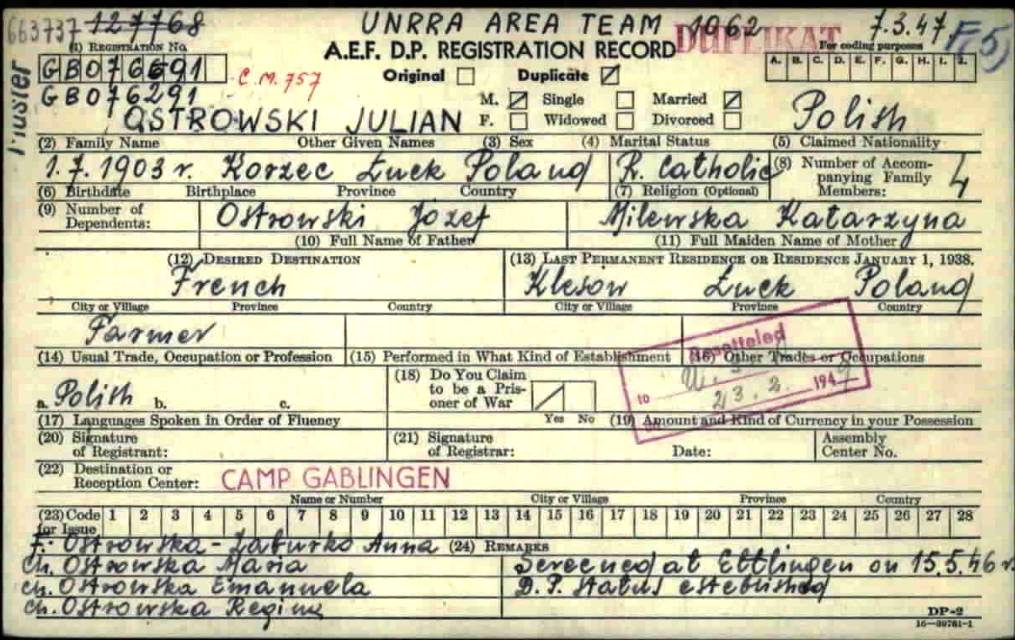
Registration records

His great-grandparents were Polish and lived in former Polish territory (modern-day Ukraine). After liberation from the Buchenwald concentration camp, the family passed through two resettlement camps in Germany.

DP Family photo

Family registration papers listed France as their hoped-for destination after the war, but they did not make it there. The family instead came to the United States in 1949 aboard the General R. L. Howze.

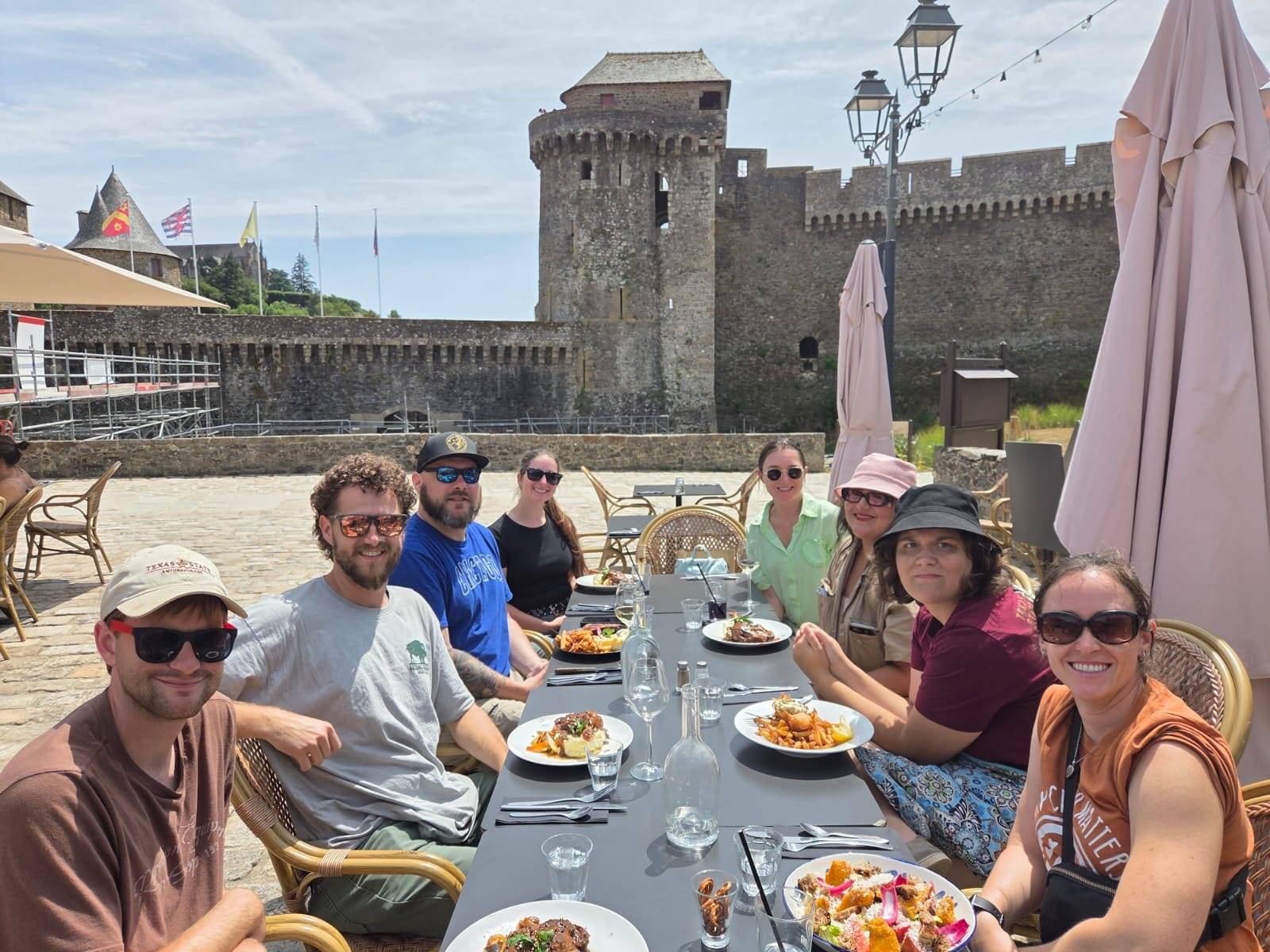
Kmiec’s father had shared the family’s World War II history throughout his life and encouraged him to apply for the DPAA project. Outside the field, Kmiec and his teammates spent time with residents and visited historical sites, giving him a closer view of a country his family once hoped to call home.

Now entering the final year of his doctorate, he said the trip has made that inherited history feel more relevant than ever.

“When I stepped onto European soil, I felt the weight of my family’s history in a new way,” Kmiec said. “I was there to help search for answers, but I was also standing in a part of the world my family had left nearly 80 years earlier.”

What is the “right to know”?

The excavation is only one part of a DPAA recovery effort. Students also learn how to document artifacts in a lab, complete the records that allow researchers to track and interpret evidence, and build relationships with landowners.  

“The training prepares them for future work with TXST, DPAA, private companies hired by DPAA and other archaeology projects,” said Ahlman.

For Beane, the work reflects what forensic anthropologists call the “right to know”: a family’s right to learn what happened to a missing loved one and, when possible, where that person is.

“It is extremely fulfilling to contribute to helping others, and working on humanitarian projects like those for the DPAA is a privilege. These experiences have solidified my commitment to using my expertise in anthropology to contribute to humanitarian investigations throughout my career,” Beane said.

The project ties directly into Stumpf’s doctoral research, which centers on identity, lived experience, and what it means to be human.

“Being a lead in this joint mission with the DPAA has helped me grow more confident in myself and the ability to handle these harder tasks that I will likely face in my future career, and I am thankful to have had this experience” she said.

Ahlman said he hopes to expand TXST’s research on missing service members by looking more closely at Texans who remain unaccounted for and any ties they may have to TXST or San Marcos.

On Veterans Day, the search in France is a reminder that the effort to account for missing service members remains active. More than 80 years after the crash, French community members who live near the site still consider the four U.S. airmen a part of their local history.

“They remember, and they want to find the missing,” Beane said.

Here in the United States, the promise to account for the missing endures, the four airmen never to be forgotten.

four people posing for photo in front of tall pop up banner
A woman hands a gift box to a student during an event as attendees look on.
Two women participate in a discussion onstage at SXSW EDU 2025.
man and two women in business attire pose for photo
Three women in academic regalia smile together onstage during a commencement ceremony.