
Texas State University Honors College Dean Heather Galloway steps down after 20 years

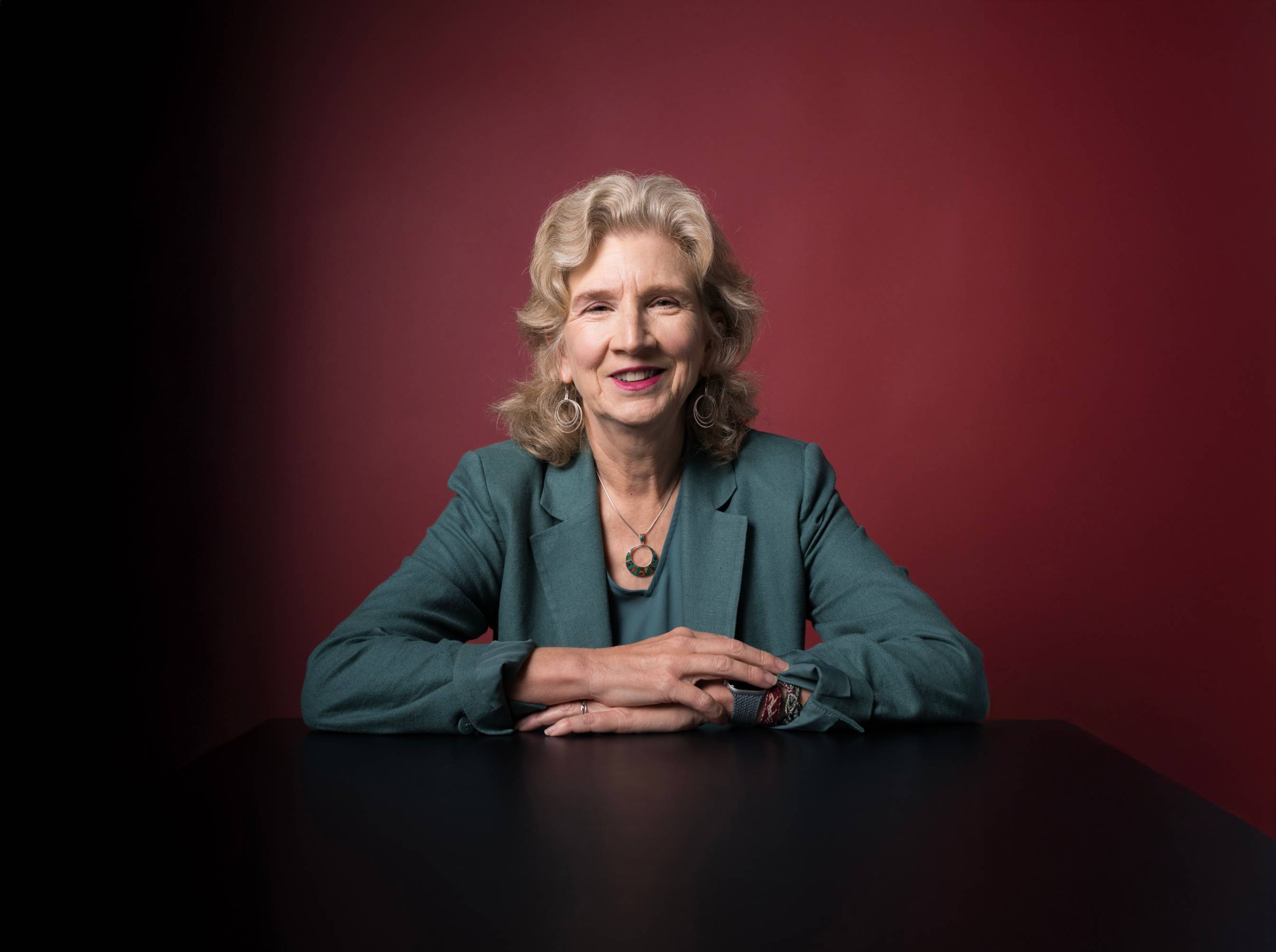
heather galloway headshot

After 20 years of shaping TXST's Honors College, inaugural Dean Heather Galloway, Ph.D., will step down following her impactful journey of leadership, leaving a lasting legacy.

As the inaugural dean of the Texas State University Honors College, Heather Galloway, Ph.D., confronted novel challenges on a routine basis—so much so that she came to think of herself as the “DIY dean.”

“You just have to build it,” Galloway said, reflecting on her tenure as she prepares to step down from her role after 20 years and return to a faculty position as a physics professor.  

Under Galloway’s leadership, the Honors College developed into a robust academic program where faculty experiment with research and teaching to provide students with seminar-style courses that engage them in reading, field trips, and campus research.

Galloway joined the TXST faculty in 1996 as an assistant professor of physics. She’s from Houston and her family lives in Central Texas, making the position her “dream job.” This was the place where she could easily bring her then one-year-old twins. 

“It was tenure track, so it felt like I won the lottery,” Galloway said. “My only sibling, my younger sister, already had one degree from here, and she got two more since I’ve been working here. So, I have strong family connections to Texas State. It was like a dream come true.”

After a decade of teaching, the job of associate director of the University Honors Program (now the Honors College) became available. She remembered being accepted into the Dean’s Scholars program at the University of Texas at Austin and the impact it had on her as a student. It allowed her to attend graduate school and do everything she wanted to do in college at an affordable cost. When that position opened at TXST, she knew she wanted to give Bobcats the same experience. 
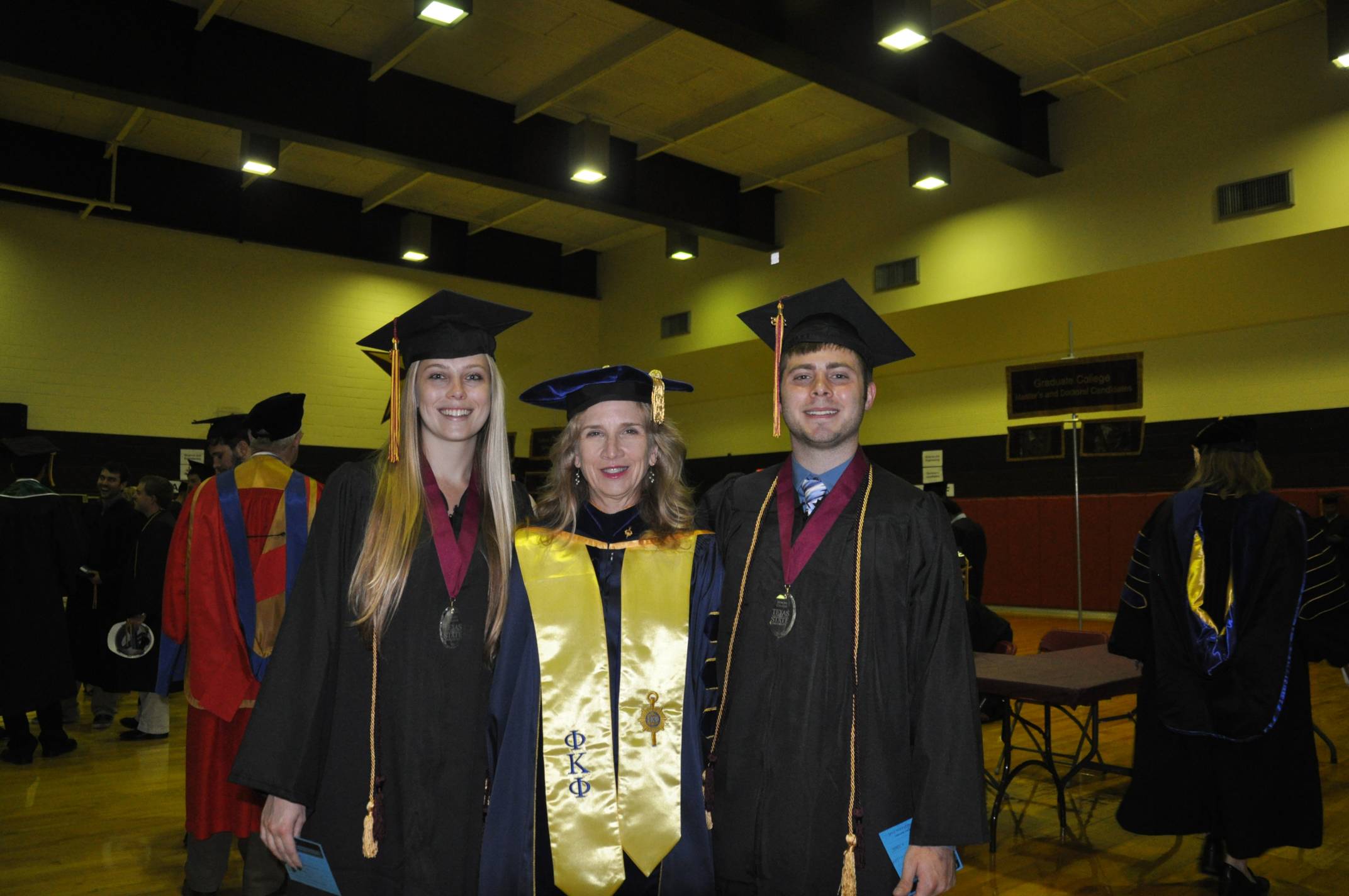
dean galloway with two honors college graduates. all are wearing graduation regalia
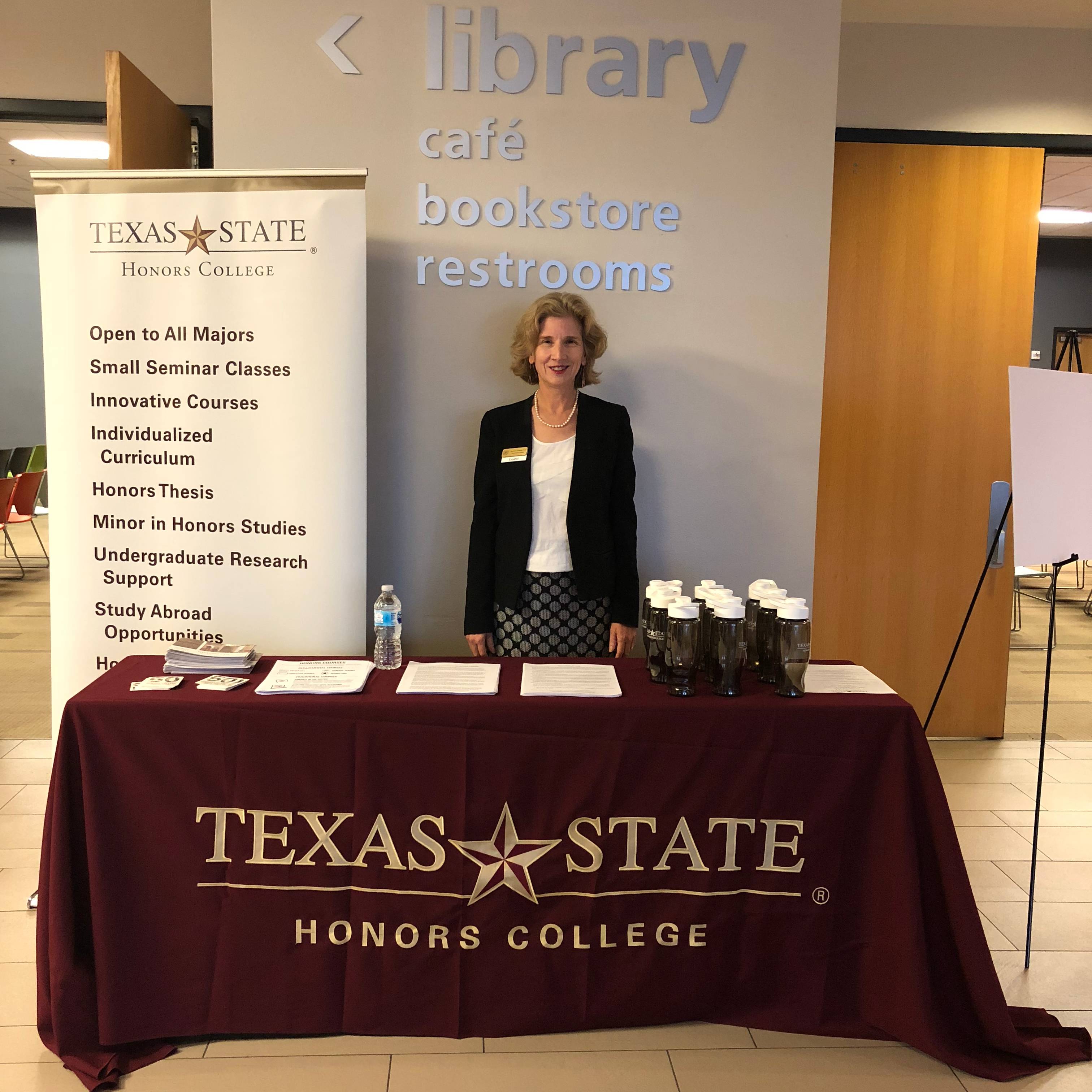
woman stands behind table that reads "texas state honors college"

“It was the same reason that I think a lot of students want to be in the Honors College here,” she said. “They want to reach their full potential. They want to have exciting opportunities. They’re looking for a community with students who put being a student as their first priority. They want to take cool classes. That meant a lot to me.”

When she became associate director of the University Honors Program, she only had two staff members with limited faculty to teach courses and mostly student workers to assist with tasks.

“At the time, we had an operating budget of close to zero,” she said. “I put up whiteboards on the walls. If there was a door in my way, I ripped it down as opposed to answering my emails and calling facilities to do that.”

She held the job for a year before the director stepped down, and the role of interim director was offered to her. She decided to try it—and loved it. While she was later named director, plans were in motion to make the University Honors Program a full college, an idea that was realized in 2012.

“I knew that was in the works,” she said. “The only thing I remember negotiating with Gene Bourgeois [Ph.D., professor and former provost and vice president for Academic Affairs] was that I didn’t want to apply again when they made it a college to become the dean.”

When Galloway became dean, there were about 300 students in the Honors College. Her first two goals were to grow student enrollment and increase their course offerings. She first achieved this by using email marketing and sending postcards to students who were eligible, but she also relied on her student workers, telling them to talk to their friends who they thought should be in the college.

Those methods, combined with time, helped the college grow to 2,500 students today, which meets her target of 5 percent of the undergraduate population. 

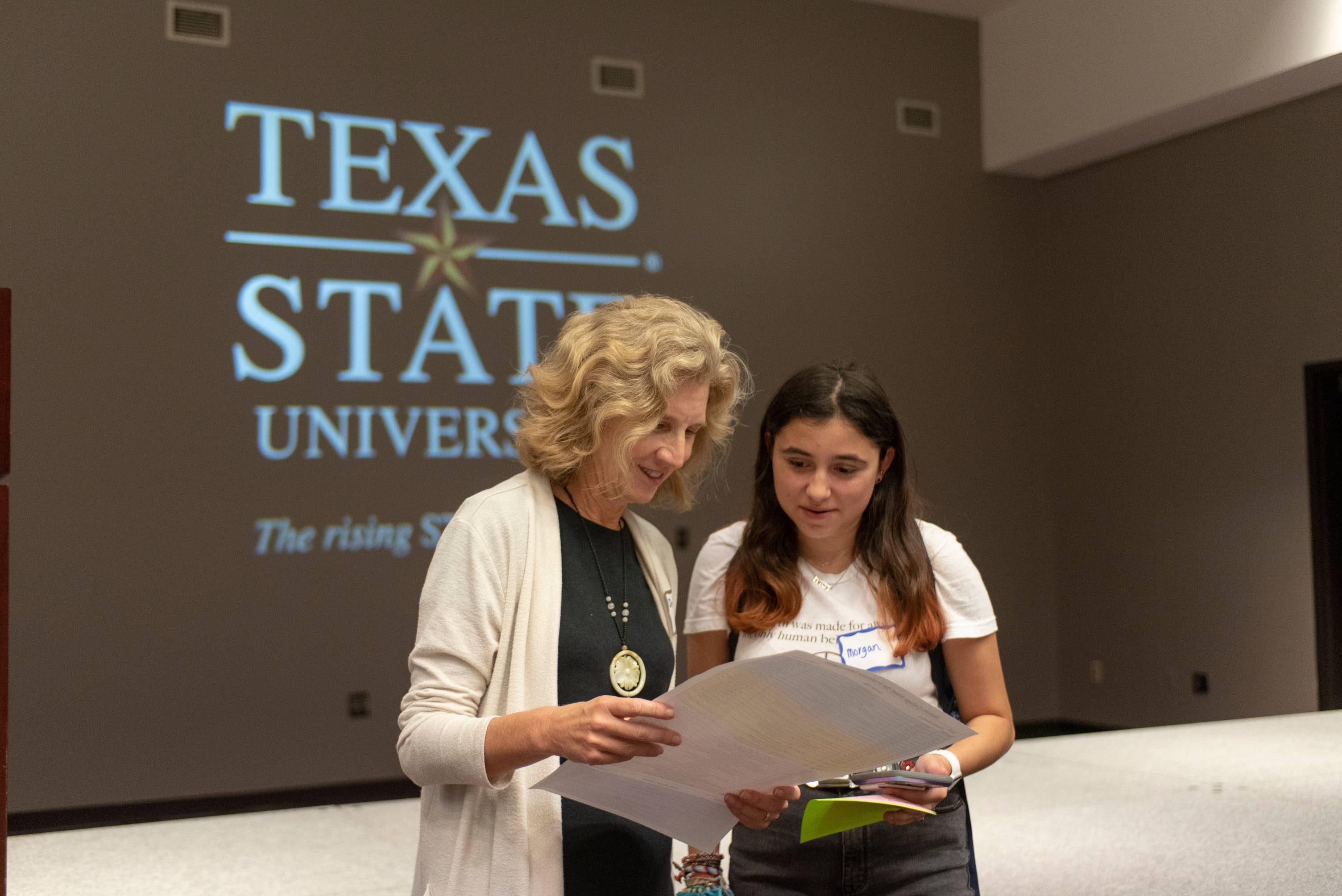
Dean Galloway looks at poster with female student in front of Texas State University sign
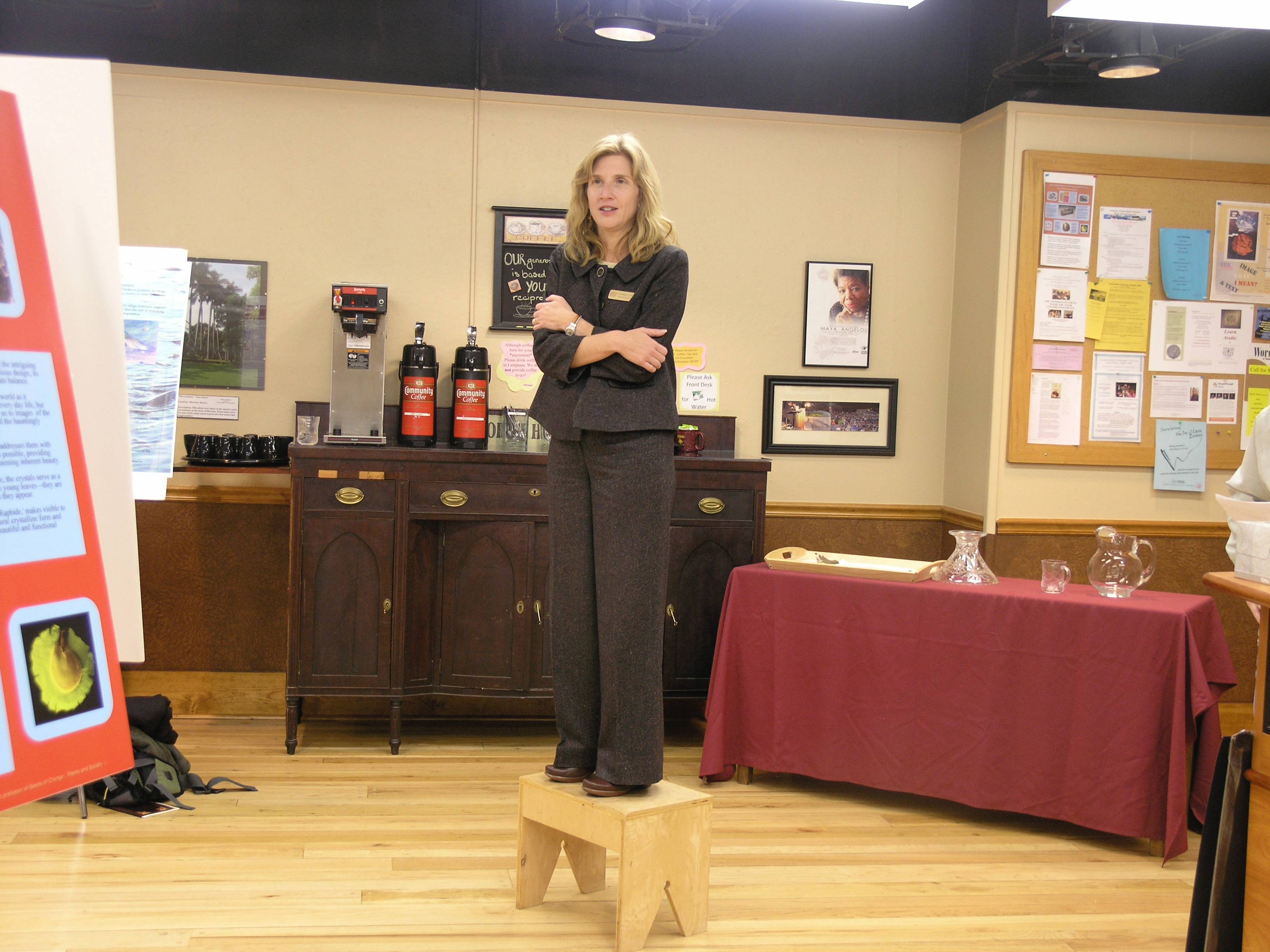
woman standing on small wooden stool with her arms crossed
An early research conference in the Honors Coffee Forum.

To increase the number of courses offered in the Honors College, Galloway’s team asked department chairs and students about who they thought would be good candidates to teach specific classes.

“When I started, we had no departmental honors courses,” she said. “Everything had an ‘HON’ on it. For example, we wanted a small section of business law that was limited to 17 students, and business classes tend to be bigger than that. We worked with them to pair it with a faculty member who could teach that class for us. McCoy was our first departmental honors class.”

The Honors College now offers nearly 60 courses, including courses in philosophy, two semesters of calculus, biology, chemistry, and more.

Another initiative started by Galloway was the Undergraduate Research Conference. While students conducting research typically present their findings with capstones and theses during their last semester, she wanted to give students who weren’t seniors or not in the Honors College an opportunity to present their research as well.

The first one was held in the Honors Coffee Forum and featured 30 posters, which hit Galloway’s goal. The conference became so popular—it now has more than 200 participants annually—the college had to move it to the LBJ Student Center Grand Ballroom. With its popularity and more research conferences being hosted across all colleges, the college needed more poster stands. Rather than renting or buying them, Galloway had another idea.

“I saw these great poster stands at the Undergraduate Research Day at the Capitol and asked where they got them from,” she said. “They sent me the drawings of how you make them. I managed to get all the money together and went over to the shop and worked with them on the project. I even hired my son’s mother-in-law’s boyfriend to do some of the machining. That’s why we have poster stands at Texas State.

“I think that's been a lot of my theme here. What do we need? Let's build it.”

In addition to being instrumental in bringing the Stelos Scholars program and STEM Communities Learning Assistant Program to the Honors College, working with university and city leadership to create the LBJ MLK Crossroads Memorial, and creating a diverse course offering, there is one thing Galloway holds in high regard—becoming a Phi Beta Kappa university.

Galloway, with the help of a small committee and co-chair Cathy Jaffe, submitted two applications for a chapter, the first in 2011. Phi Beta Kappa, known as one of the most difficult honor societies to be accepted to, has a chapter in only 10 percent of universities. The first application was unsuccessful, and after a second failed application, Galloway said she felt like giving up. 

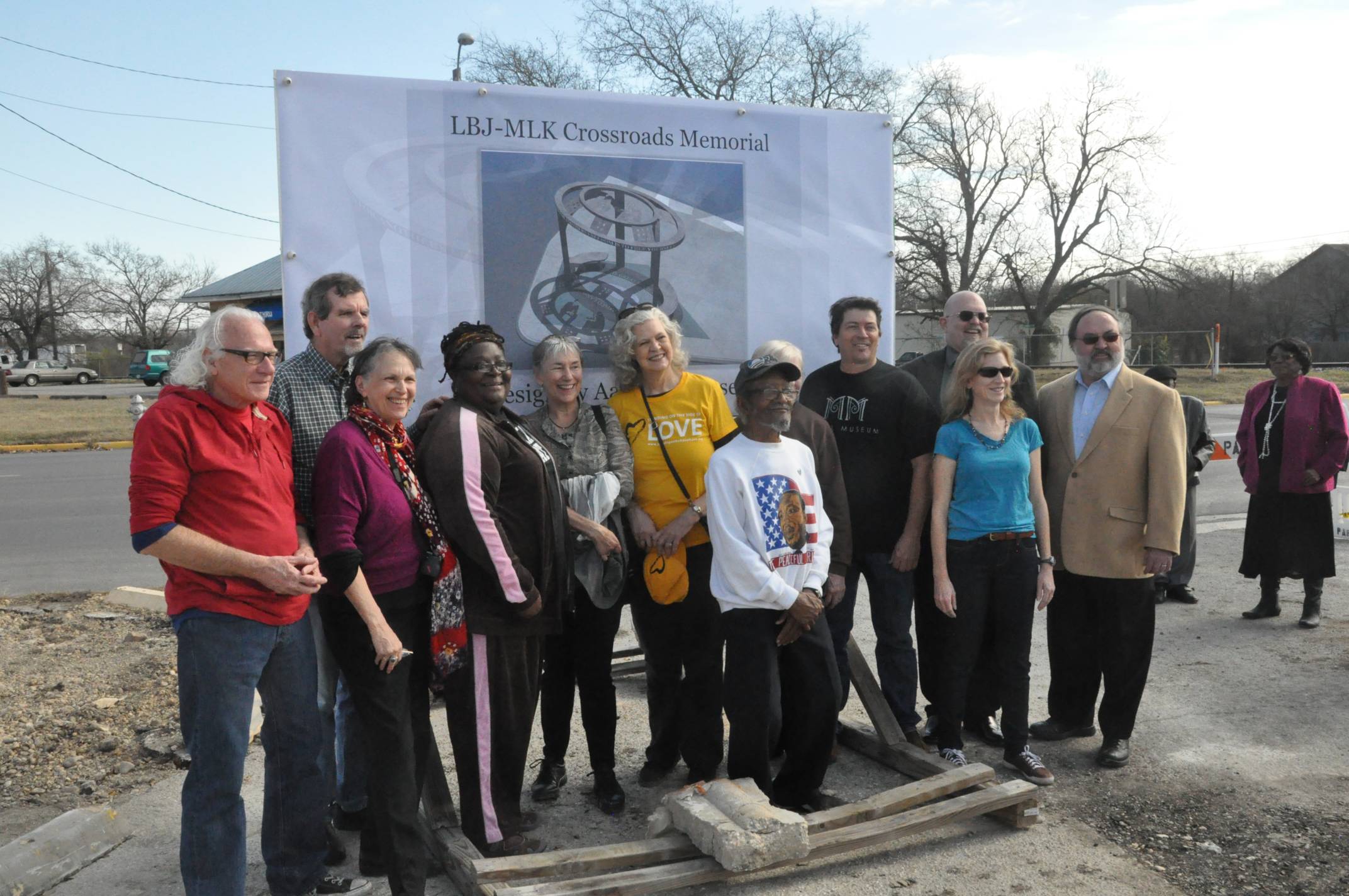
large group of people stand in front of sign that reads LBJ-MLK Crossroads Memorial
The LBJ MLK Crossroads Memorial groundbreaking ceremony.
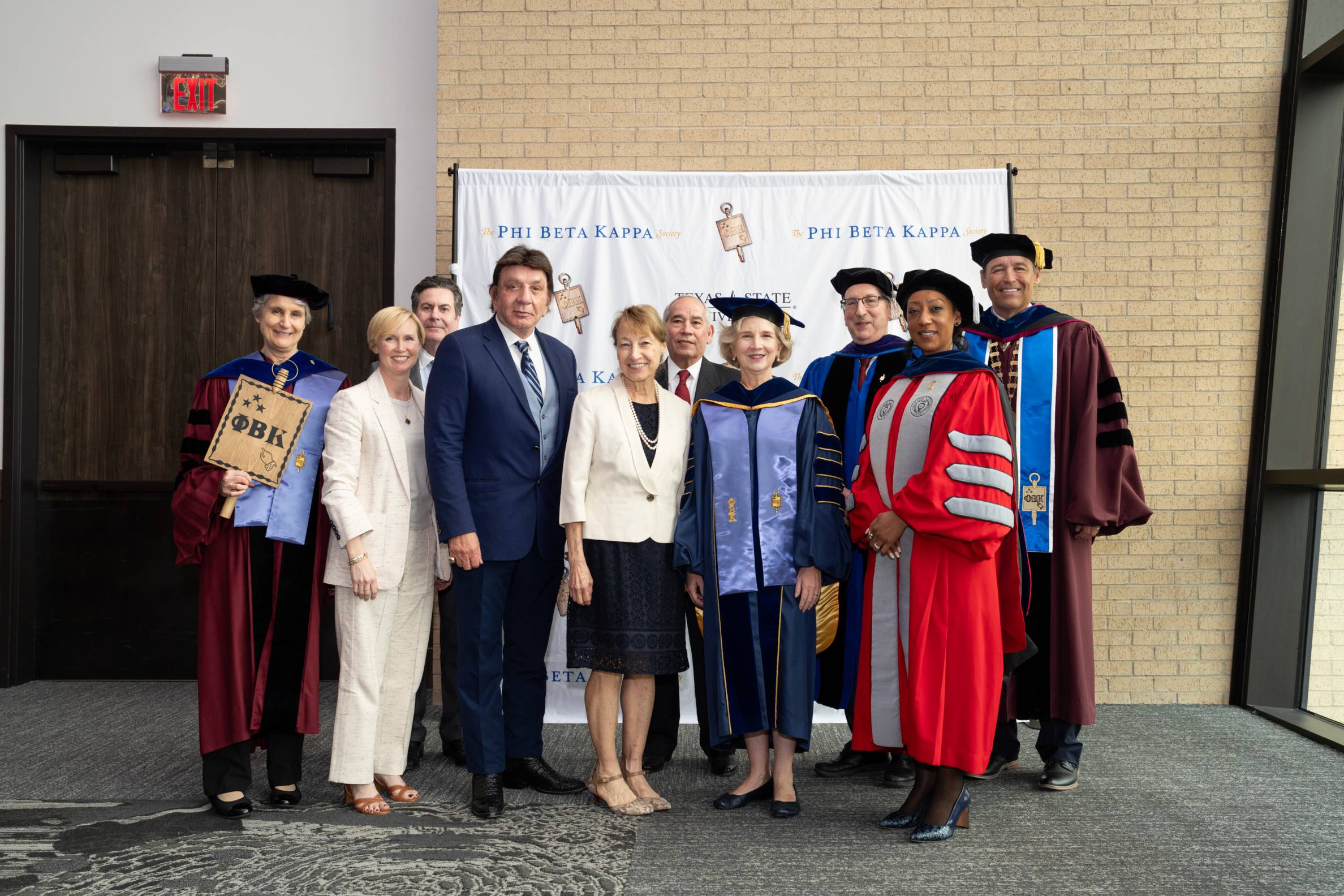
group of people in graduation regalia celebrating at a Phi Betta Kappa event
The inaugural Phi Beta Kappa induction ceremony.

Then, a few things changed in TXST’s favor: the percentage of TXST faculty who are members in the society increased, the organization recognized the efforts of the university investing in the Honors College, and the hiring of TXST President Kelly Damphousse, who became an honorary member of Phi Beta Kappa when he was dean of the College of Arts and Sciences at the University of Oklahoma.

After a rigorous review process and three-day site visit, Phi Beta Kappa officials admitted TXST during a selection process in Baltimore, Maryland, in 2024. The first members of the university’s chapter, Nu of Texas, were inducted at the inaugural ceremony in May 2025.

“That whole day felt surreal,” Galloway said. “We had worked really hard, and we had brought the whole team together. We had people from the national Phi Beta Kappa office here, the current president of the organization, and a VIP breakfast with all the people who were made founding members. We convinced this whole body of people from prestigious universities that we belong here, too.”

In the height of working on the Phi Beta Kappa materials and while running the Honors College, Galloway battled a mild case of breast cancer and had radiation treatments while also preparing to host the society’s site visit. Thankfully, her cancer is in remission. And after successfully steering TXST’s acceptance into Phi Beta Kappa—and having two young grandchildren nearby—Galloway decided it was time to step down from her deanship. She will return to her role of professor of physics starting in Fall 2026.

“Becoming a physics professor was such a dream come true to me,” she said. “I have always felt like I wanted to end my career being a professor—doing a job I really love. I like to spend my time one-on-one with students. I’m really proud that I’ve grown the college so much, but it also means that the work that really drew me to it in the first place is not there. So, this is a chance to really enjoy my last years here.” 

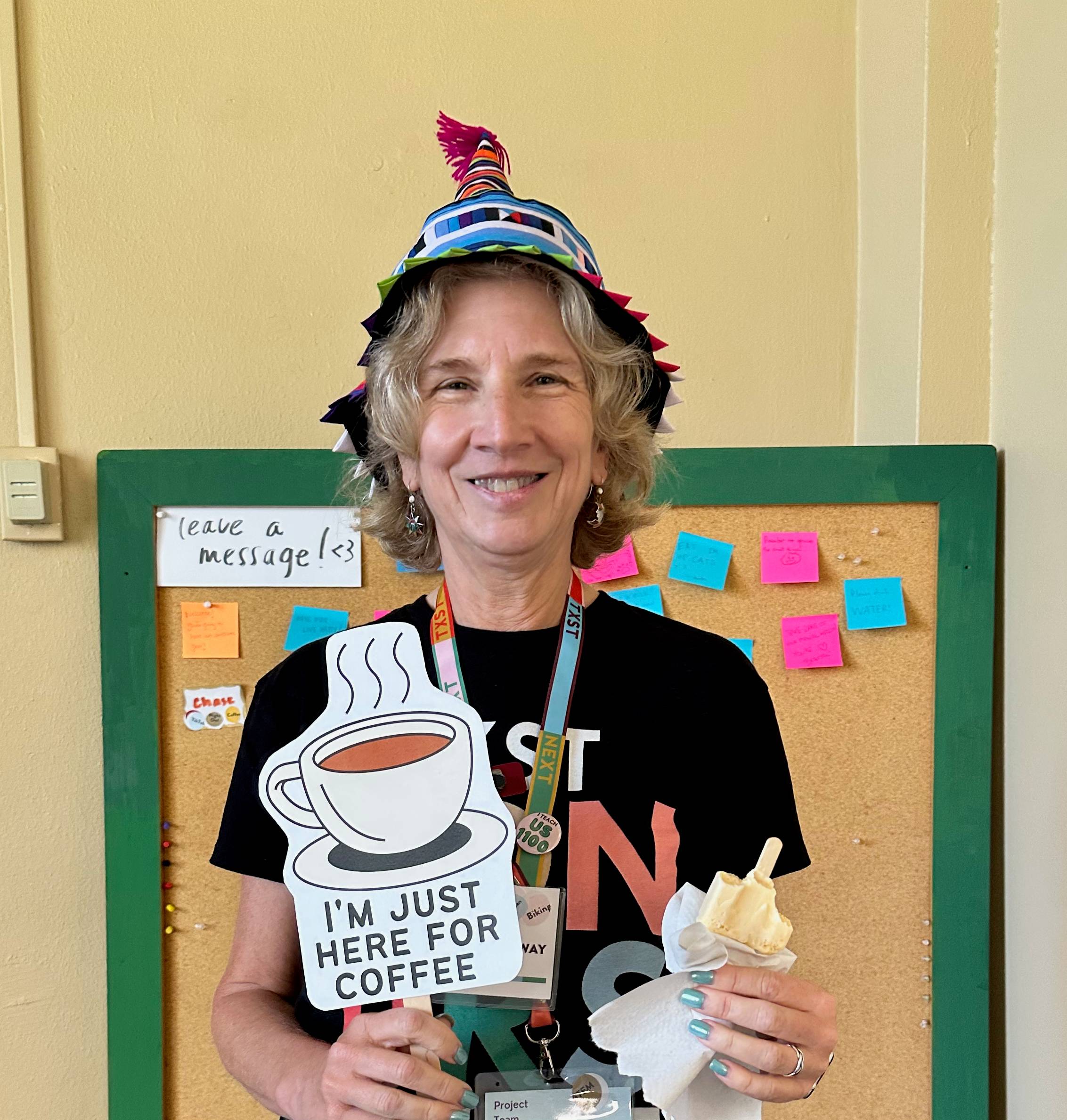
woman holds up a sign that reads "i'm just here for the coffee" while wearing a silly hat
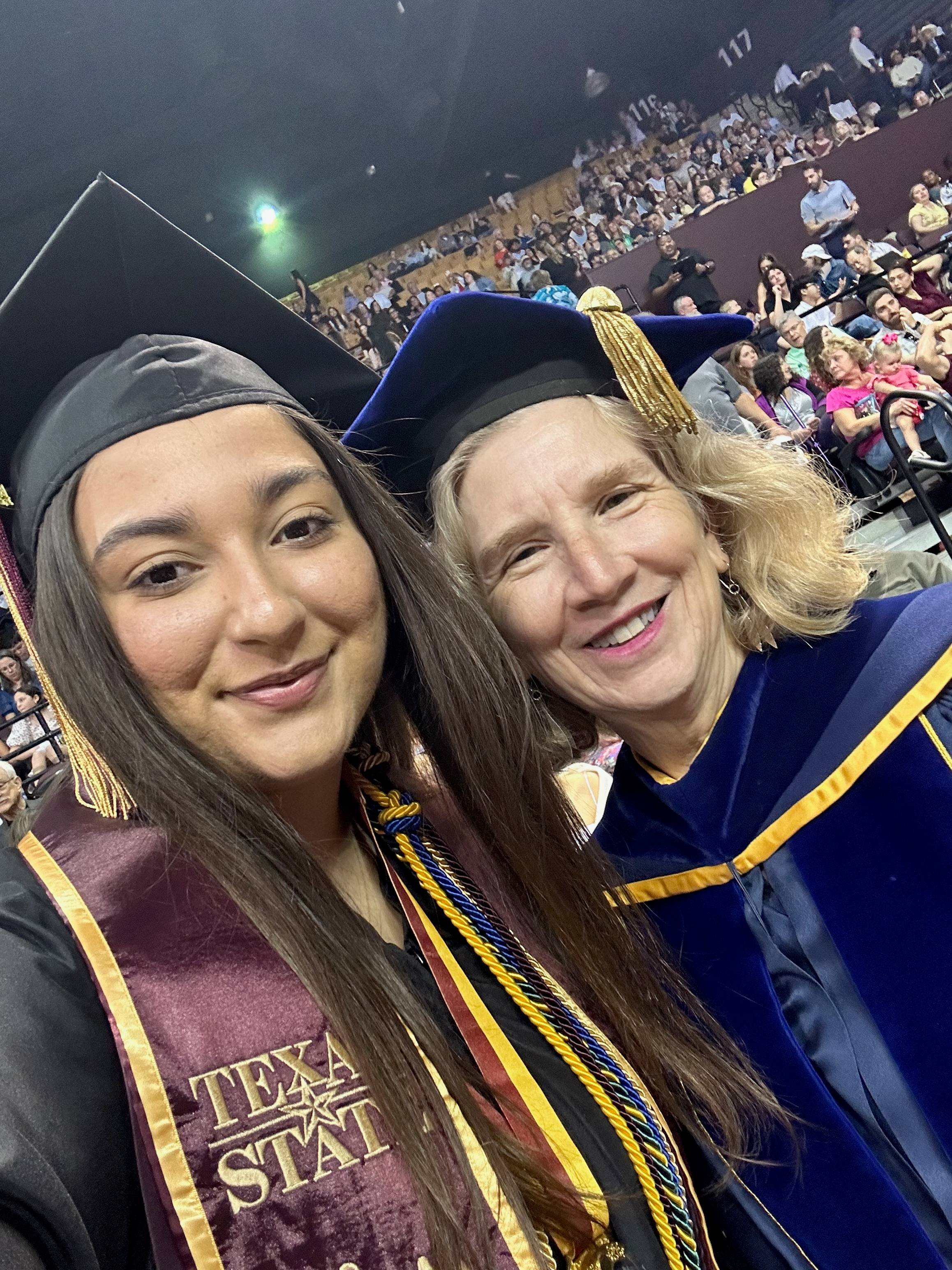
two women take selfie during graduation ceremony
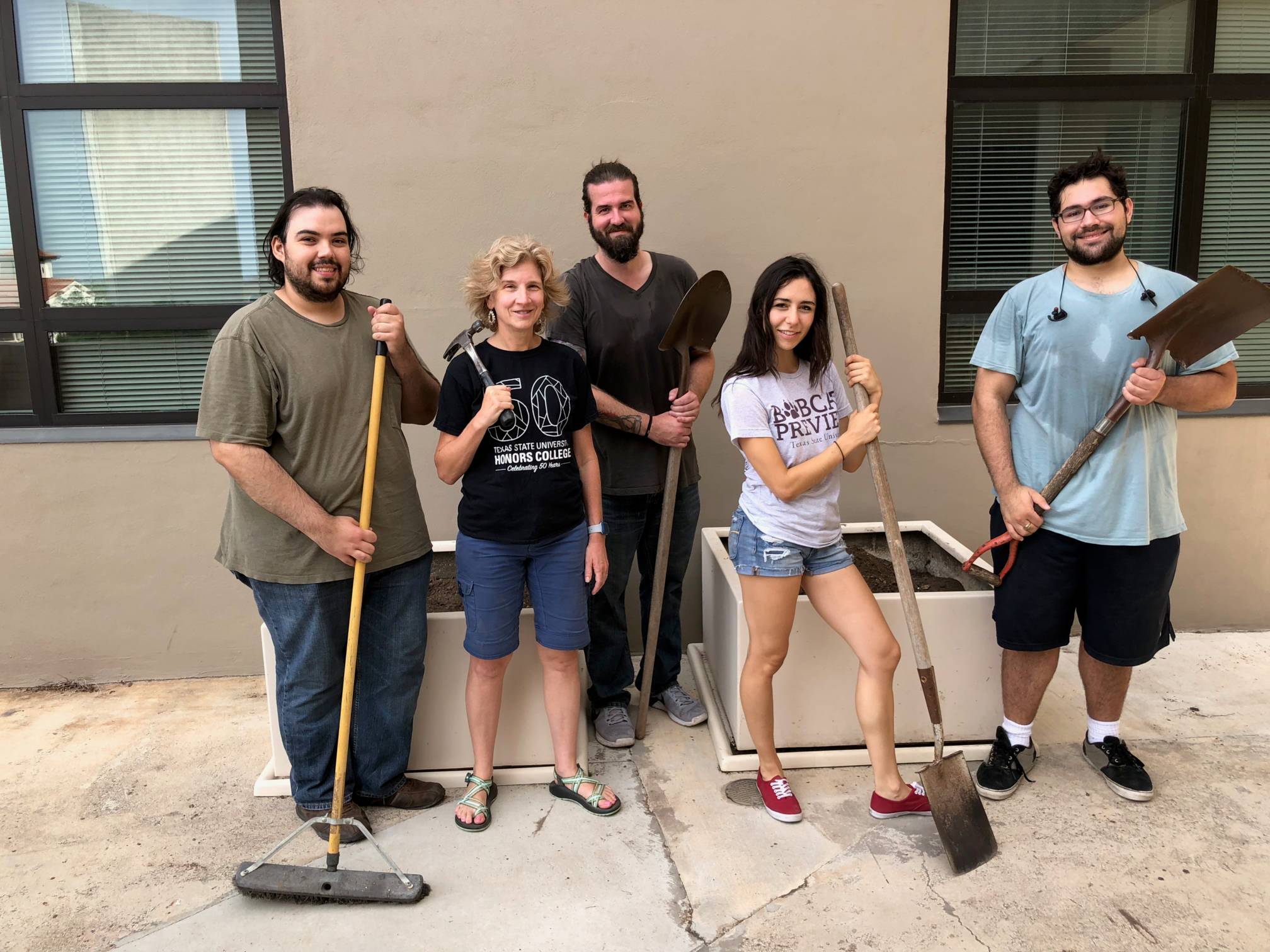
three men and two women pose with shovels and brooms
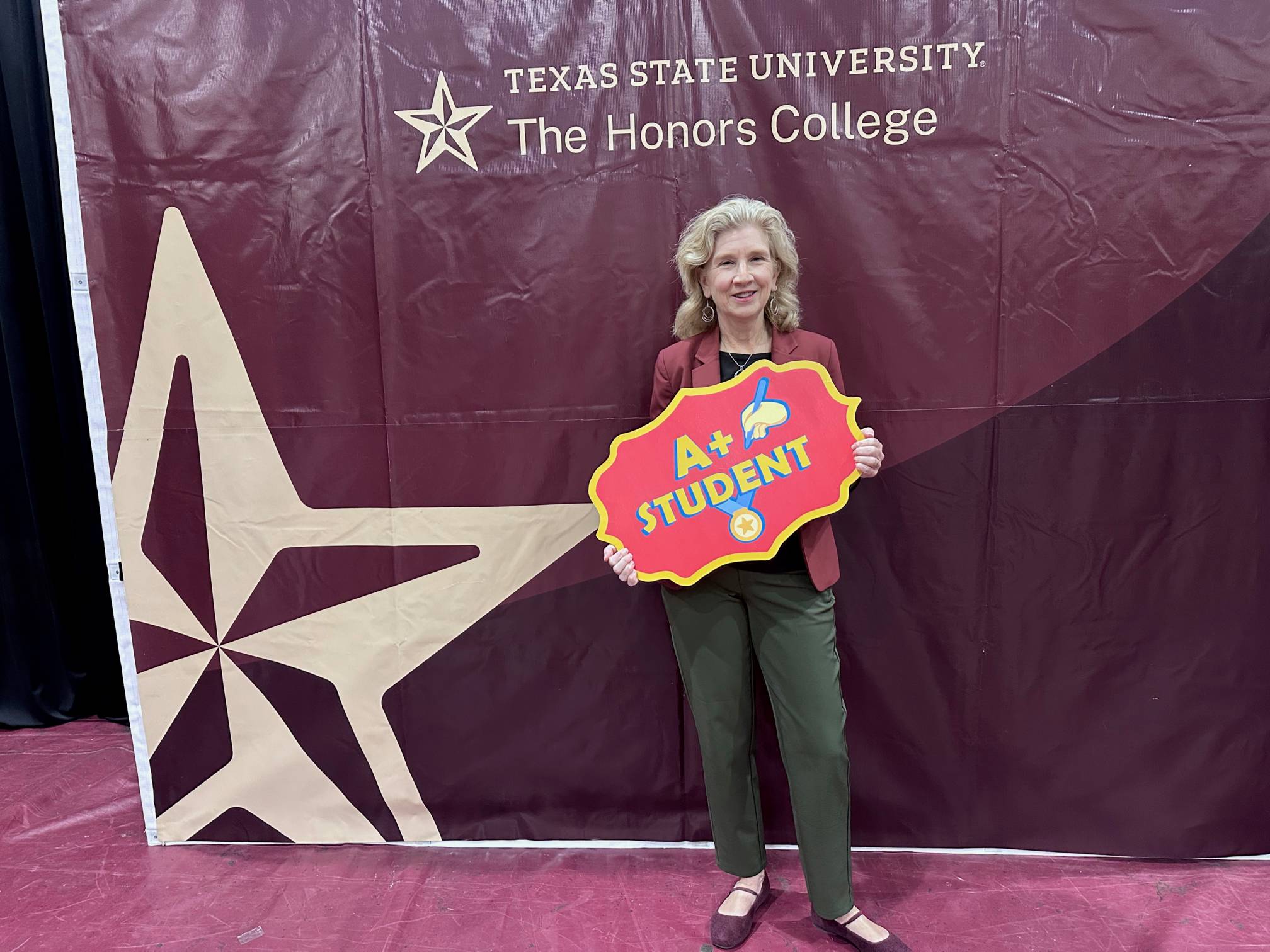
dean galloway holds up sign that reads "A+ Student" in front of Texas State University The Honors College sign
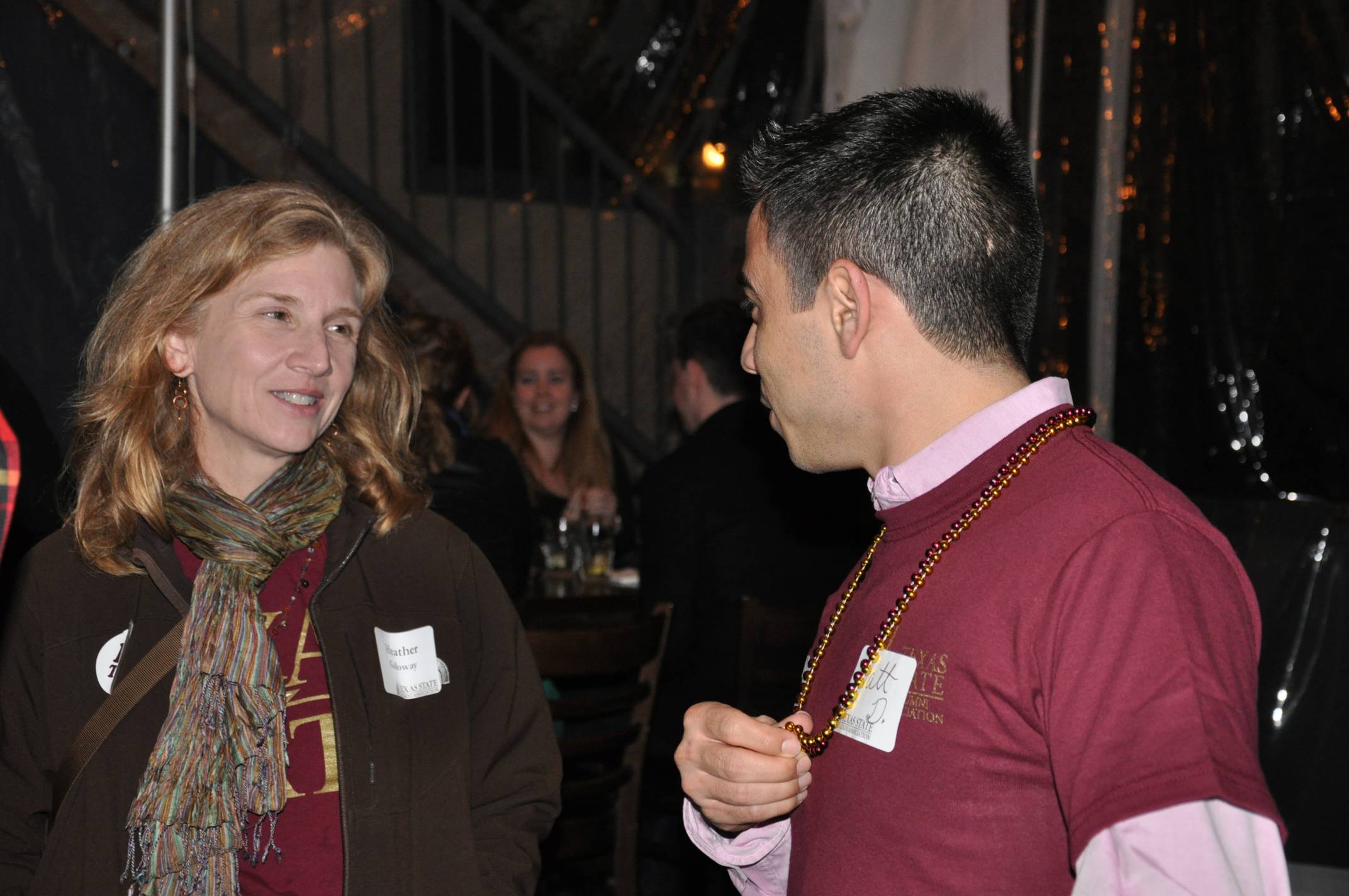
dean galloway speaks with man
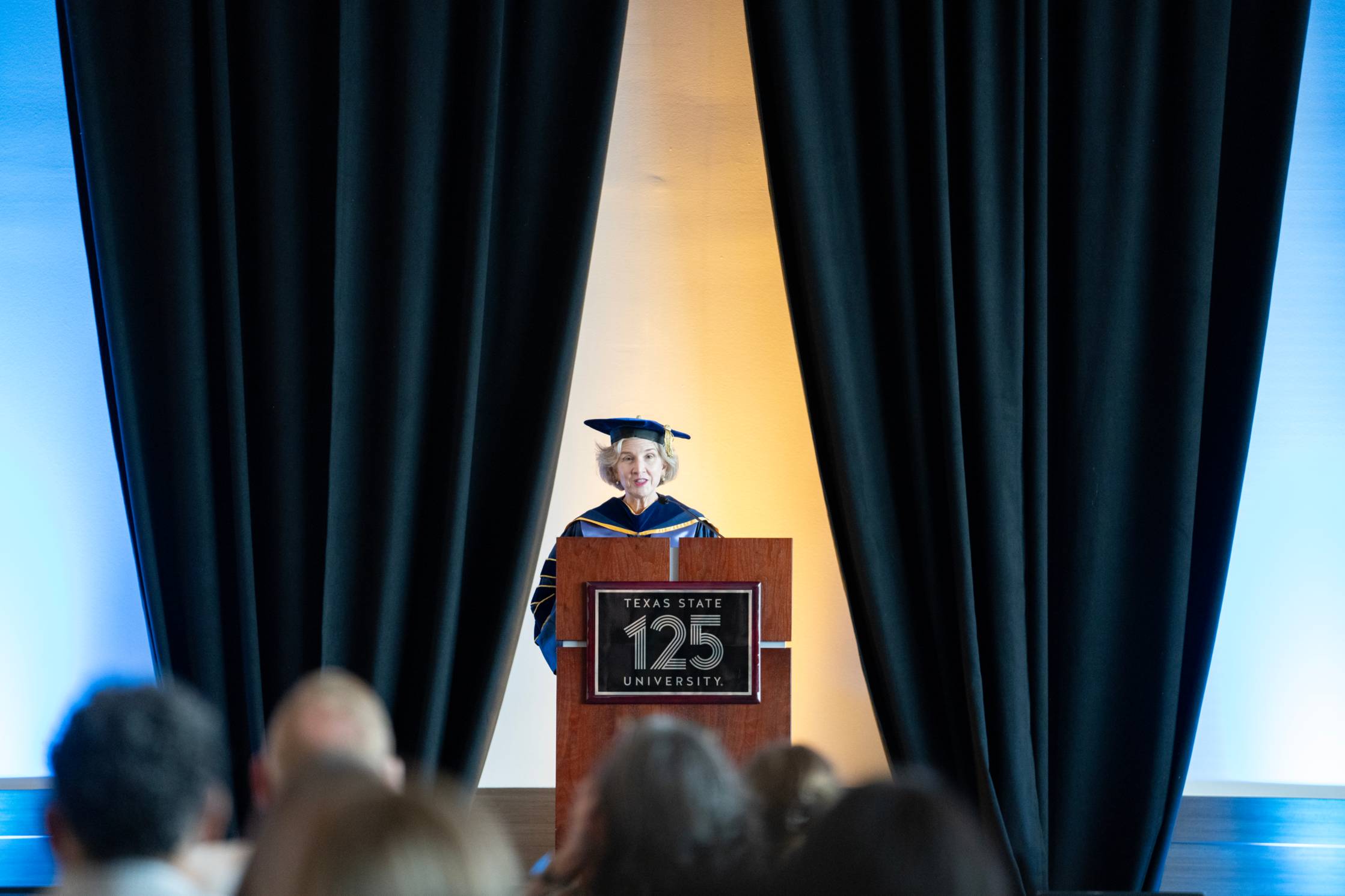
dean galloway gives speech behind podium