

As the Peace Corps celebrates its 65th anniversary, members of the Texas State University community are reflecting on how international service continues to shape their approach to leadership, service, and community.
Established in 1961, the Peace Corps is a federal agency that sends American volunteers abroad to work alongside local communities on projects related to education, health, economic development, agriculture, youth development, and the environment. Since its founding, more than 240,000 Americans have served in countries around the world. In 2025, Texas tied with New York for third-most Peace Corps volunteers in the nation.
This year, the organization is marking the milestone with its “Still the Toughest Job You'll Ever Love” campaign, a revival of one of its most recognizable slogans. For returned Peace Corps volunteers at TXST, the anniversary offers an opportunity to reflect on how their experiences influenced them and continue to inform their work at TXST.
From volunteer to educator and leader
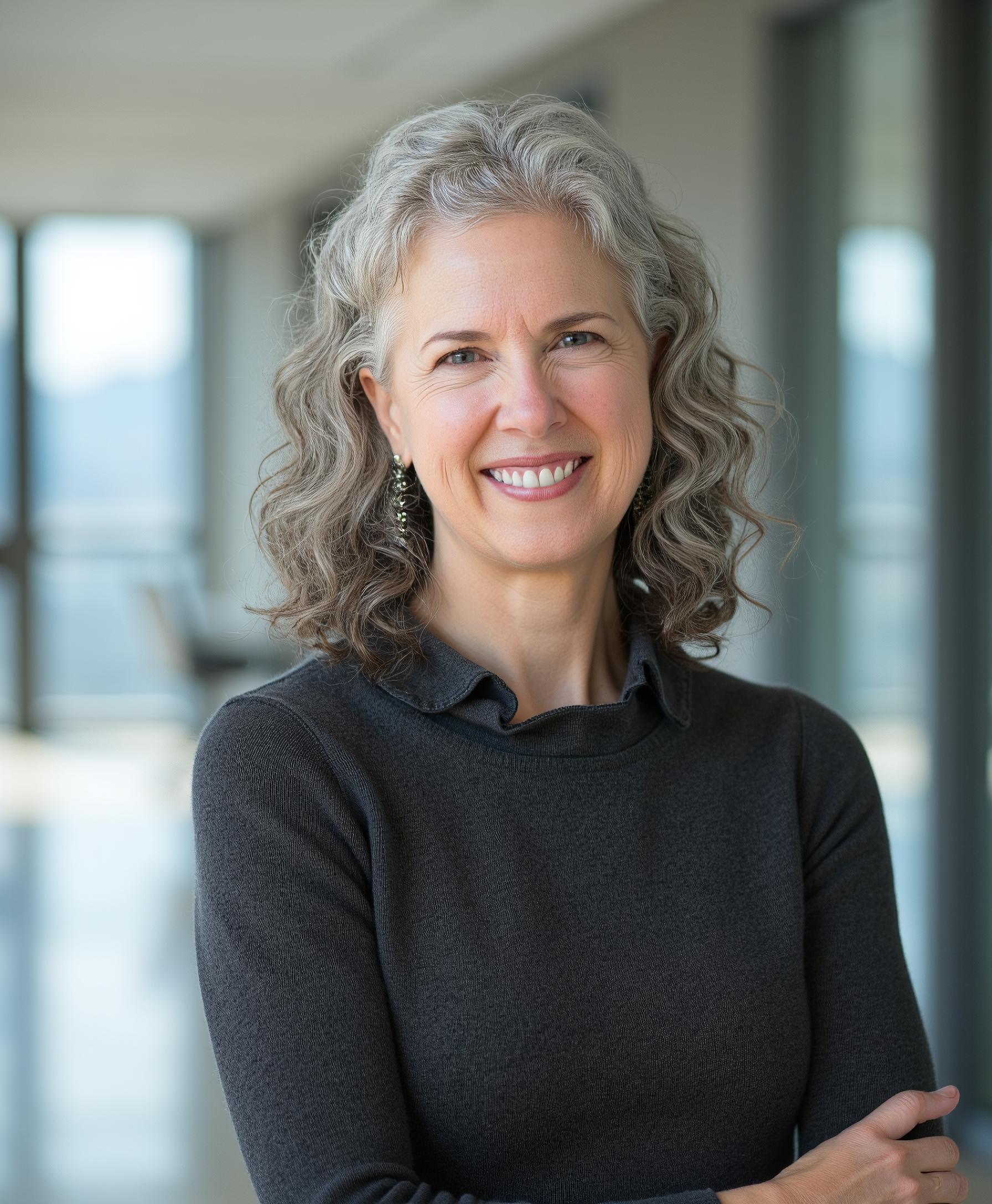
Helen Lowman, Ph.D., professor of practice in political science and director of the Center for Research, Public Policy, and Training, emphasized that her Peace Corps service continues to guide her approach to education and leadership.
“What makes the organization so powerful is that it does not approach development as a one-way exchange. Volunteers live and work within communities, learning as much as they contribute. That experience produces leaders who approach global challenges with empathy, cultural competence, and a deeper appreciation for interconnectedness,” Lowman said.
There was one particular moment from her time volunteering with the Peace Corps in Thailand that has stayed with her for decades. She had just arrived in her village and was still developing her Thai language skills when an elderly farmer appeared at her door with a live turkey. He explained that he overhead her say that she had completely forgotten about Thanksgiving and needed one for the holiday. That evening, her Thai neighbors prepared a meal that blended local traditions with an unexpected American celebration.
“It was a small gesture, but it reflected something profound about my time in the Peace Corps,” she said. “Even across language and cultural differences, people showed up for one another in meaningful ways. That experience shaped how I understand leadership and connection to this day.”
After serving as a volunteer in Thailand, Lowman went on to hold several leadership positions within the Peace Corps, including regional director for Europe, the Mediterranean, and Asia, and associate director of Volunteer Recruitment and Selection. One of her most meaningful professional contributions, she said, was helping modernize recruitment efforts to make the Peace Corps more accessible and reflective of the diversity of the United States.
Those experiences continue to inform how Lowman works with students at TXST, emphasizing the importance of learning beyond the classroom.
“The Peace Corps also taught me that transformative learning often happens outside traditional classrooms,” she said. “That perspective has influenced my commitment to internships, study abroad opportunities, community partnerships, and other applied learning experiences that help students connect academic knowledge with real-world challenges.”