
Located in one of the most ecologically diverse regions in the state, TXST works year-round to support environmental sustainability through conservation, research, education, and community partnerships. Across campus and throughout the region, initiatives focus on protecting natural resources, preserving wildlife habitats, improving water quality, and promoting long-term environmental stewardship.
Rooted in San Marcos: Sustainability and Conservation at TXST
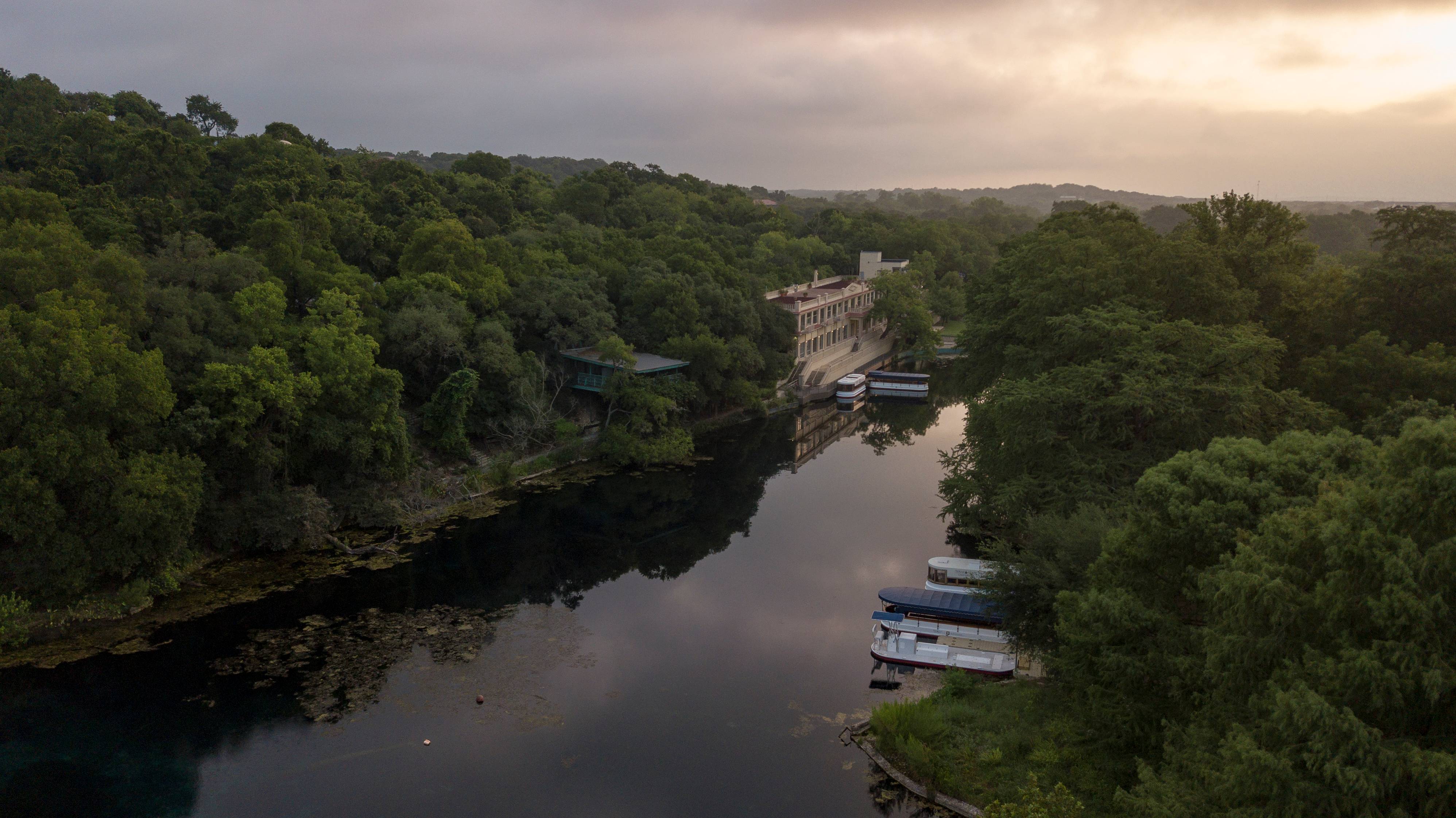
Nestled along the San Marcos River, TXST thrives in a rich, diverse ecosystem. The university practices sustainability year-round, working to protect its environment for both people and wildlife.
The Meadows Center for Water and the Environment
The history of Spring Lake can be traced back to 10,000 B.C. It wasn’t until 1690 that the first recorded crossing of the San Marcos River occurred. In 1994, TXST purchased the land where the Meadows Center for Water and the Environment now sits. In 2002, TXST established the International Institute for Sustainable Water Resources as an initiative to coordinate and further university-wide efforts in the field of aquatic resource management. The institute was later renamed the River Systems Institute. A generous gift in 2012 from The Meadows Foundation allowed TXST to establish The Meadows Center for Water and the Environment. Today, the Meadows Center focuses on environmental issues centered around water quantity and quality, land and habitat conservation, and sustainable energy and environmental awareness.
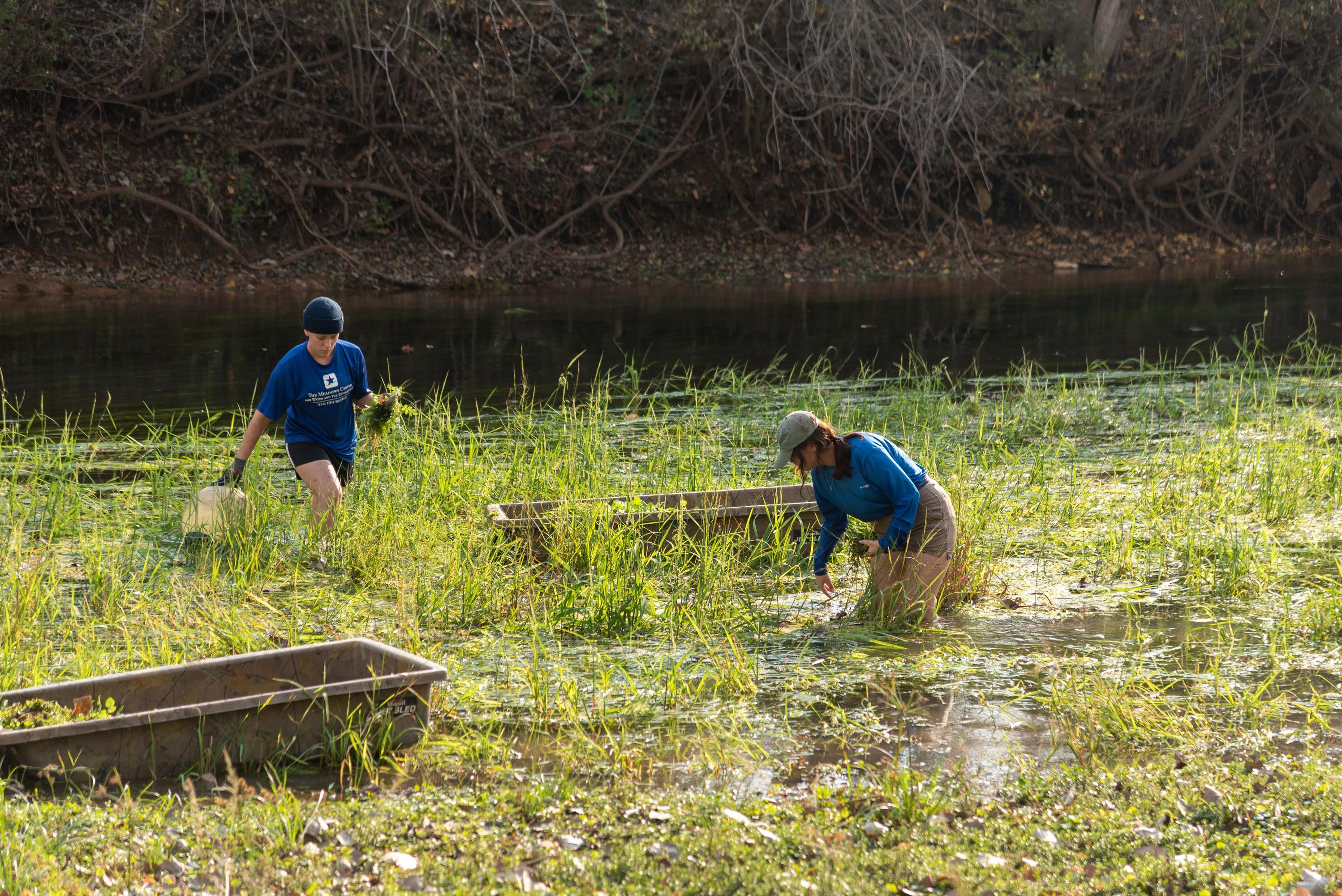
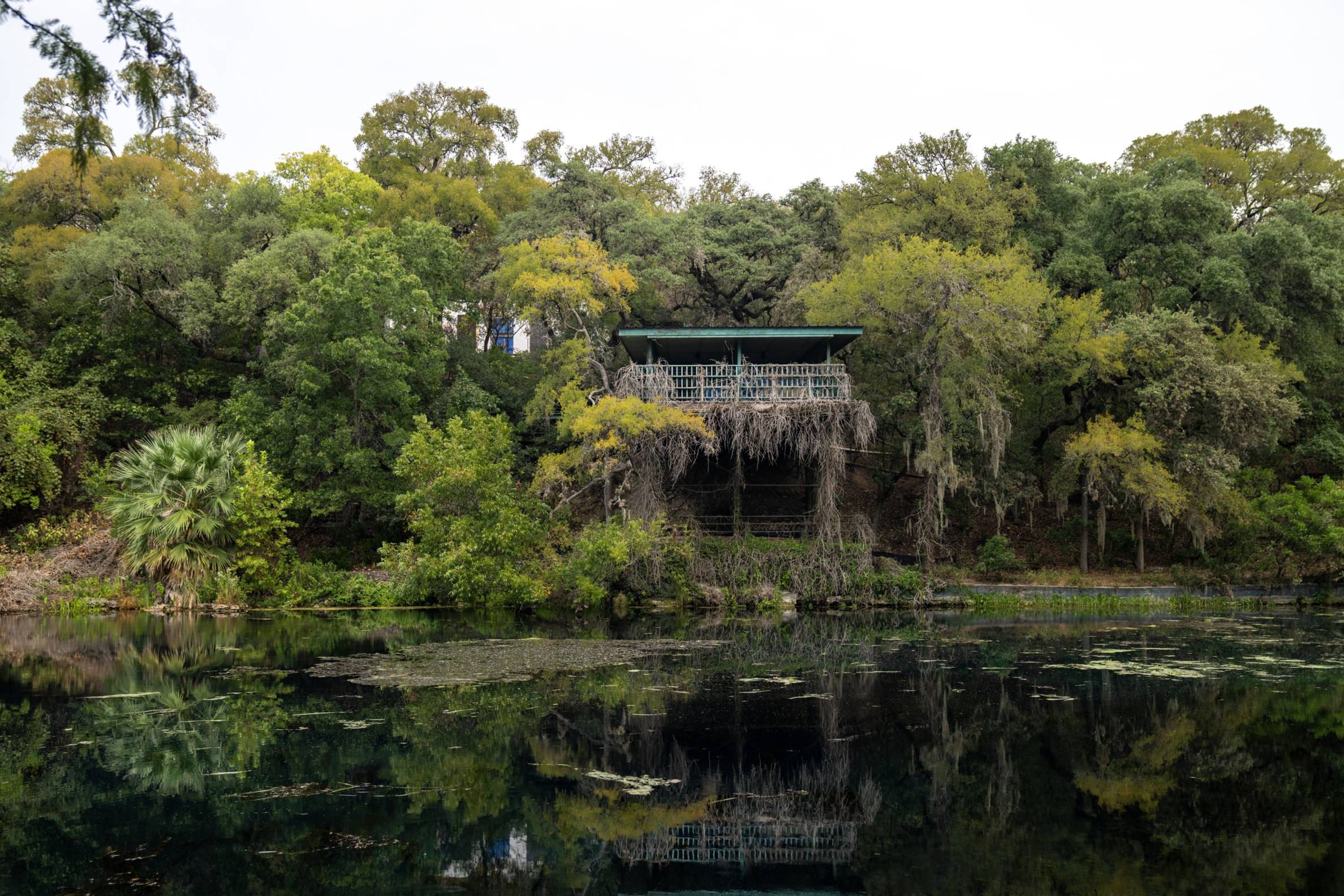
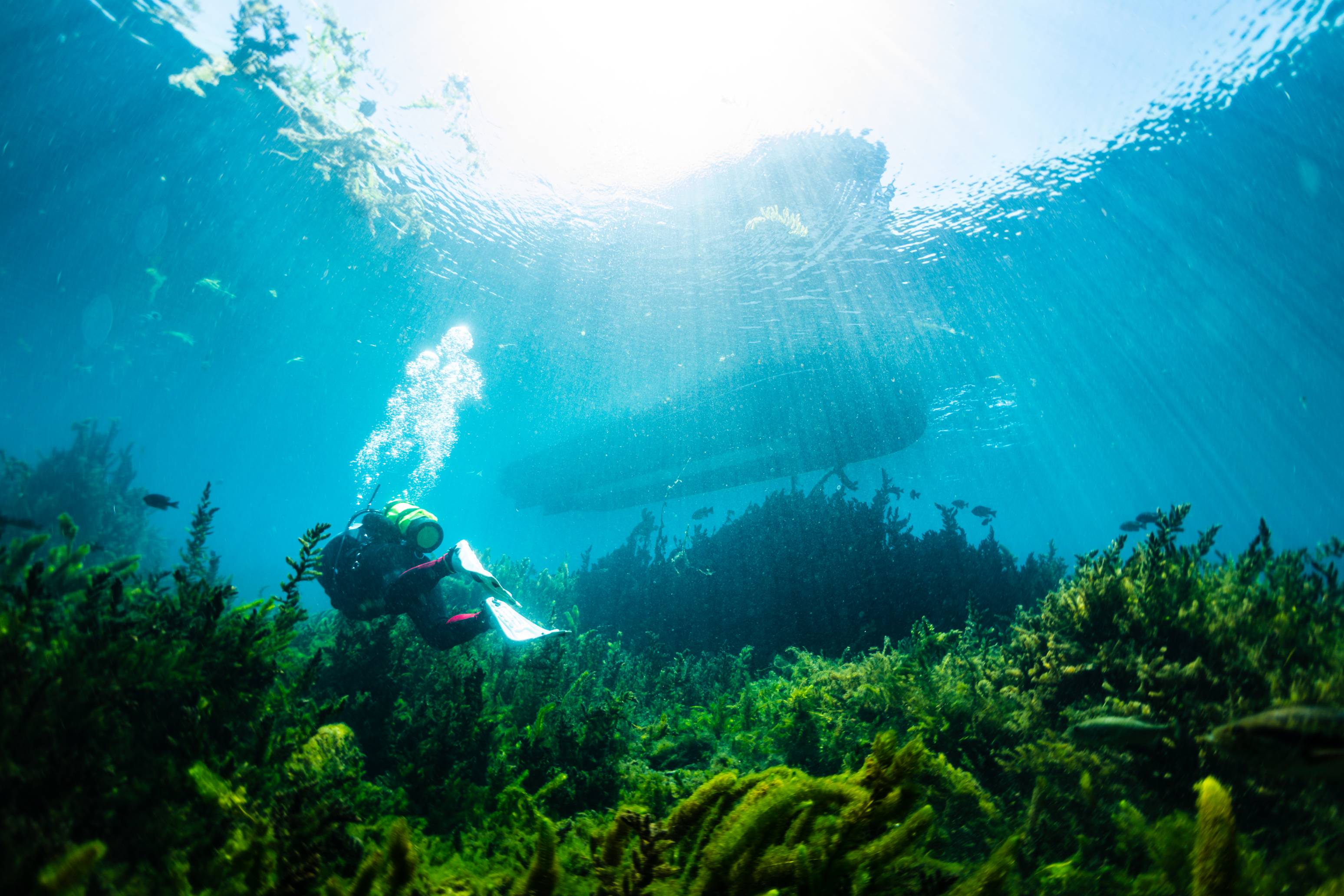
In 2025, The Meadows Center removed 21,665 square meters of non-native plant species from Spring Lake and the San Marcos River. In the same year, 8,926 native plant species were planted in Spring Lake and the San Marcos River.
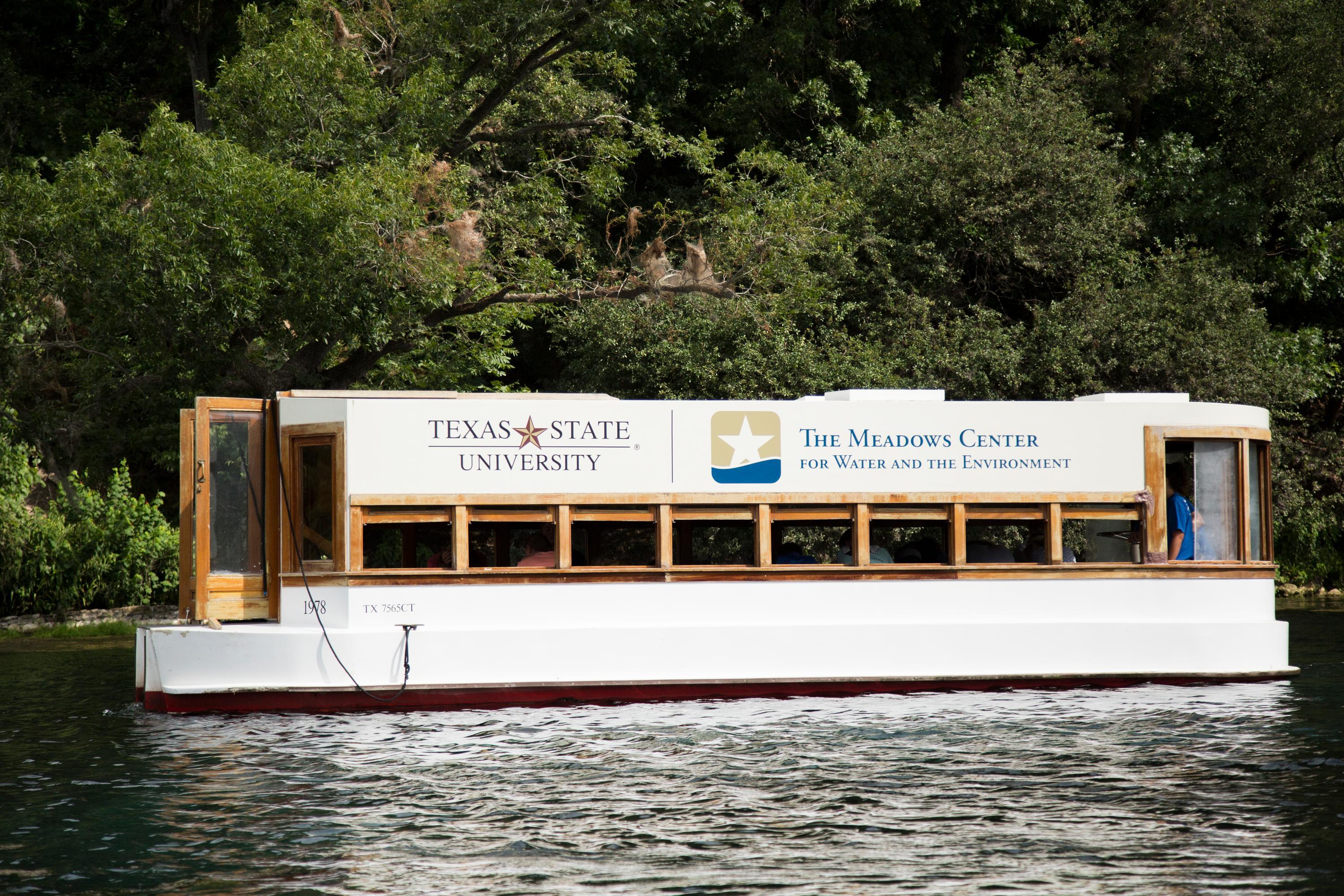
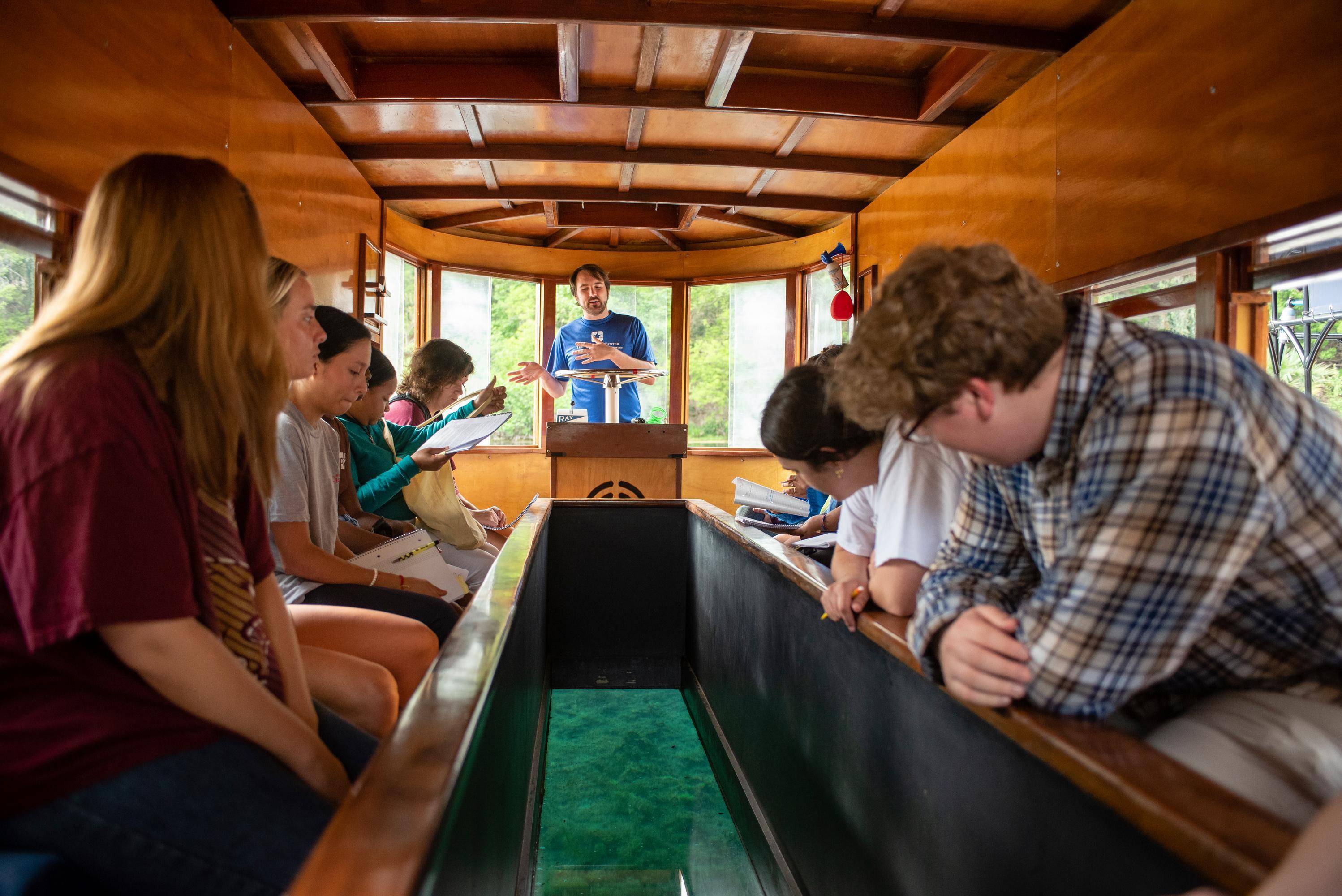
Throughout the year, the Meadows Center hosts glass- bottom boat tours to help visitors discover the beauty and importance of this fragile ecosystem while learning about the abundant plant and animal life that thrives in San Marcos.
Invasive Species Research
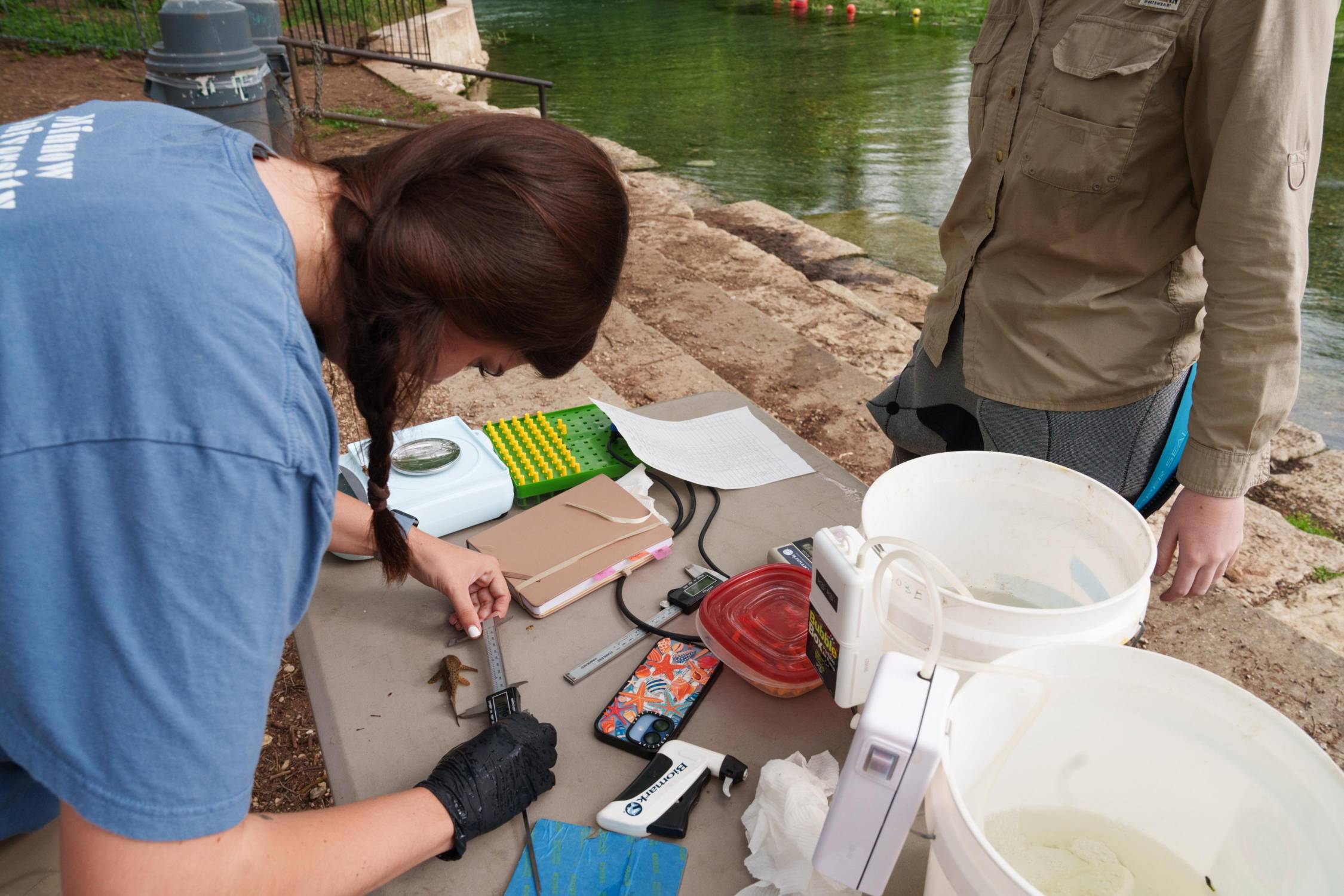
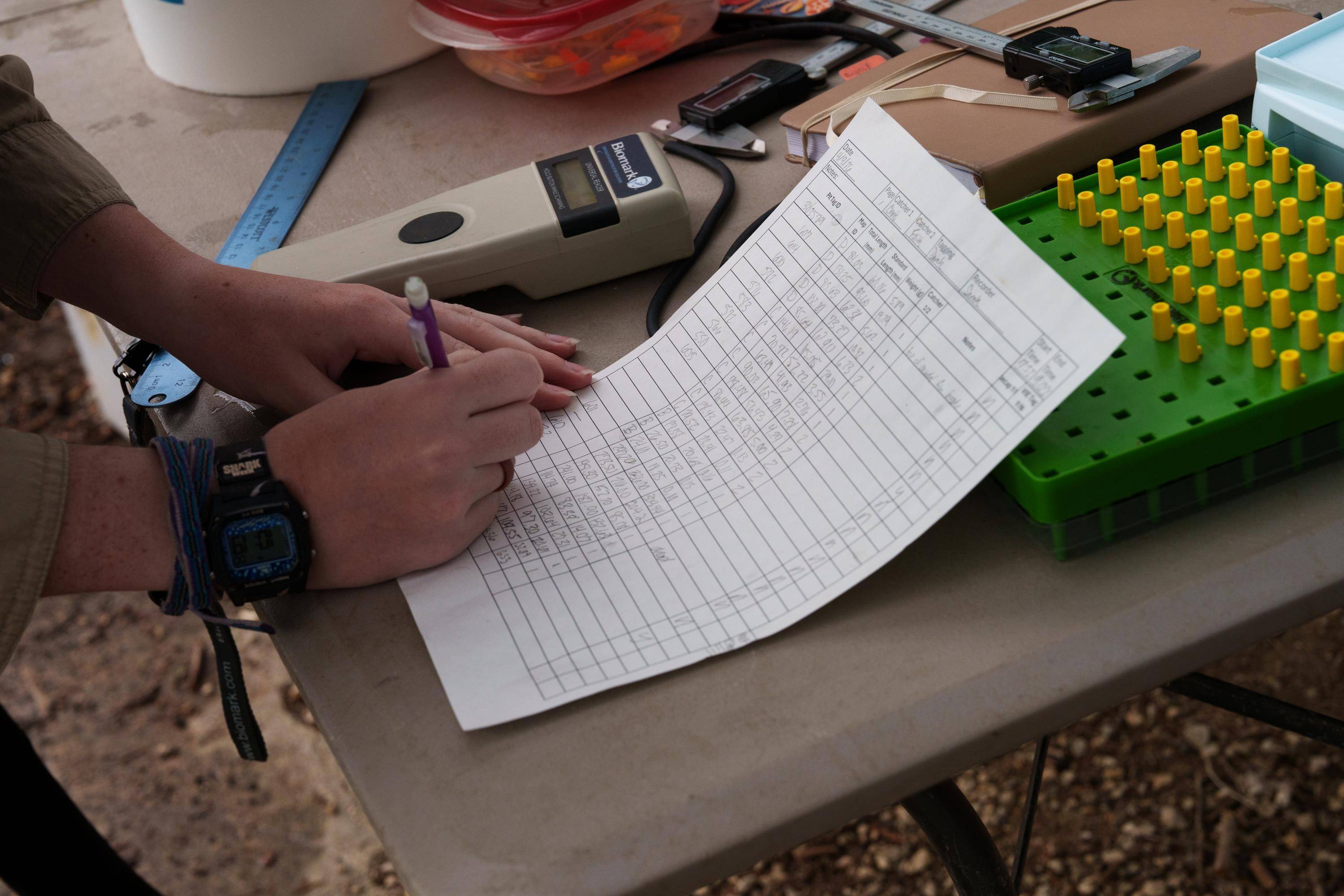
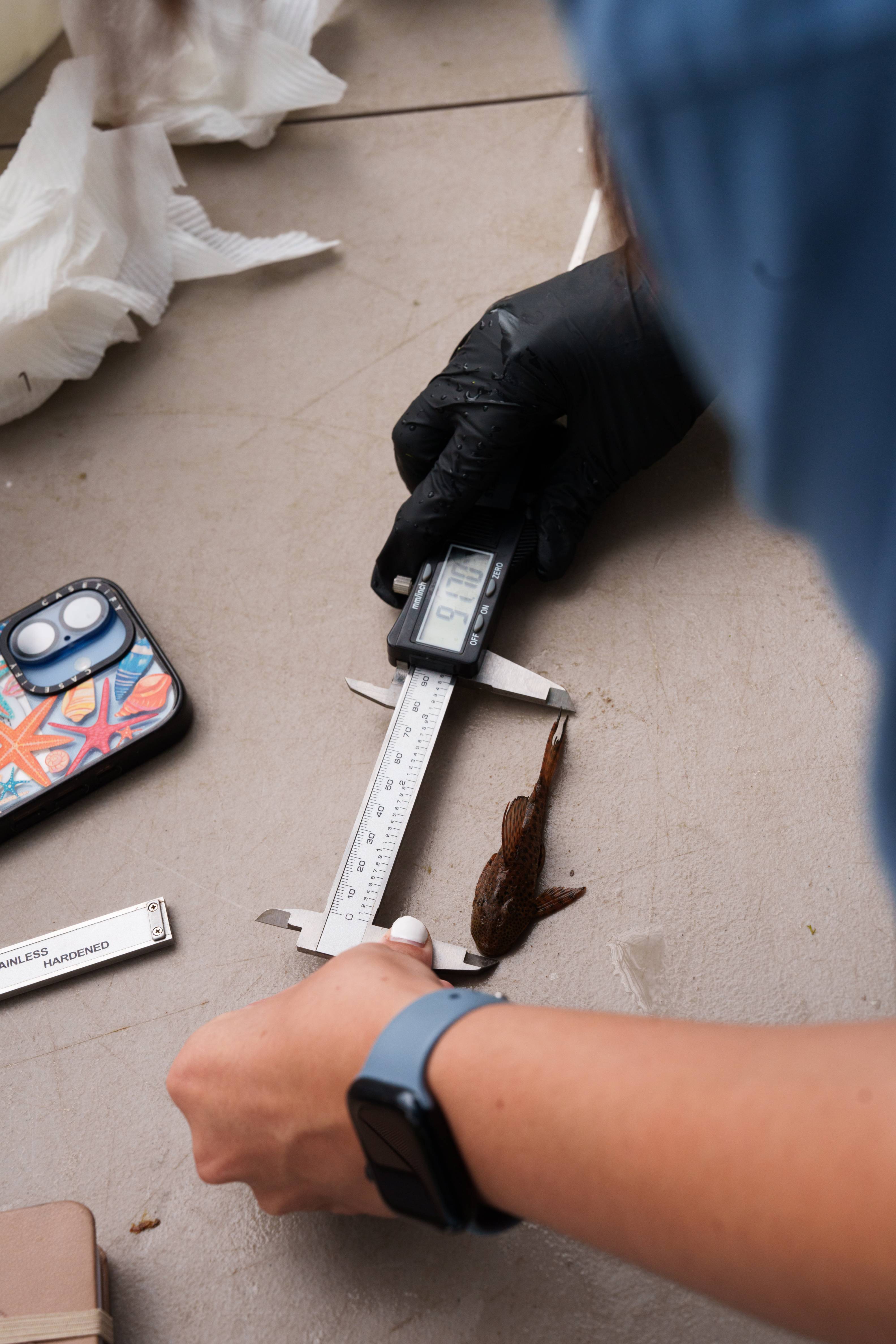
The Meadows Center’s Ecological Research Group removes invasive wildlife from the San Marcos River as part of a collaborative restoration effort between TXST and the City of San Marcos.
Riparian Landscape Restoration
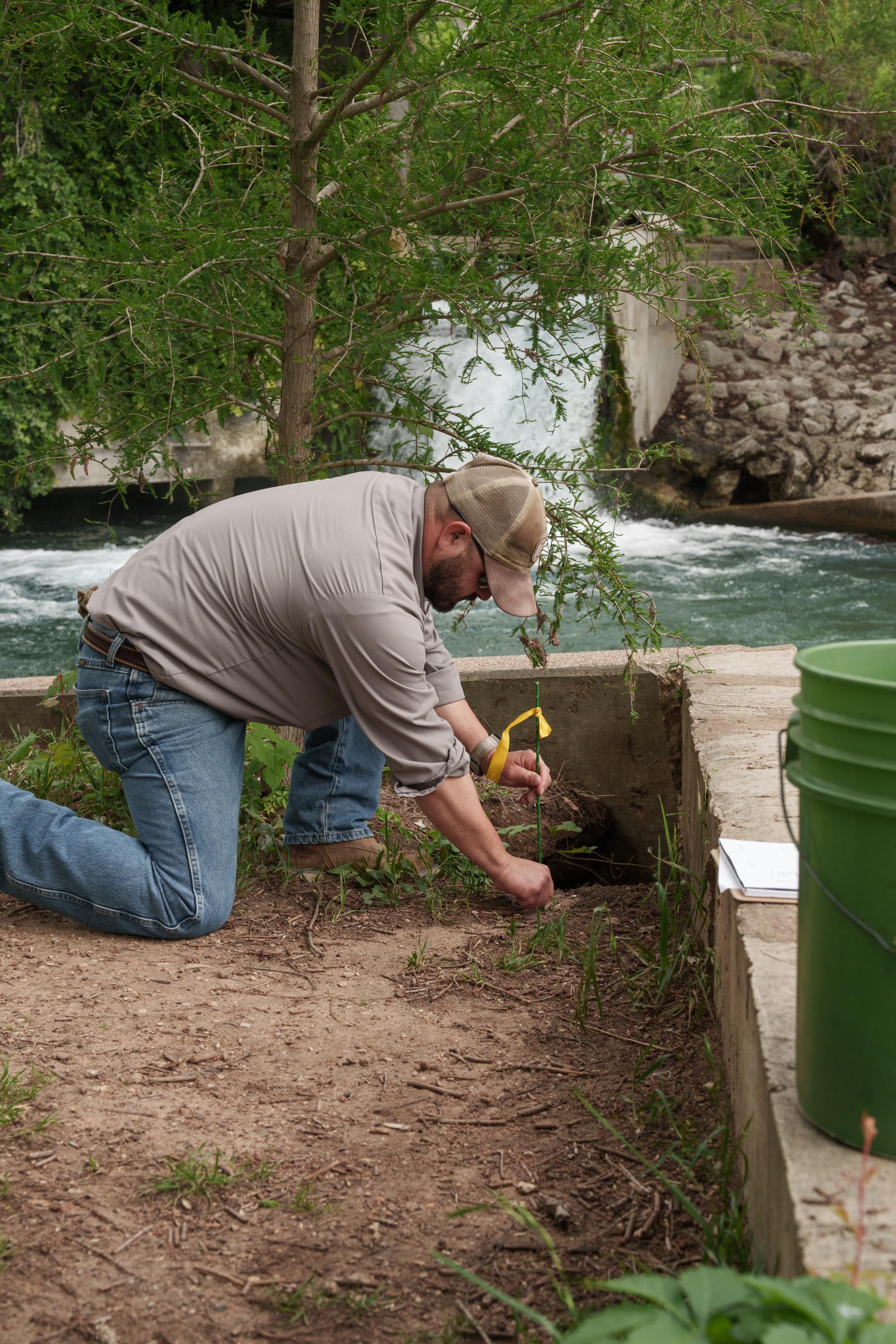
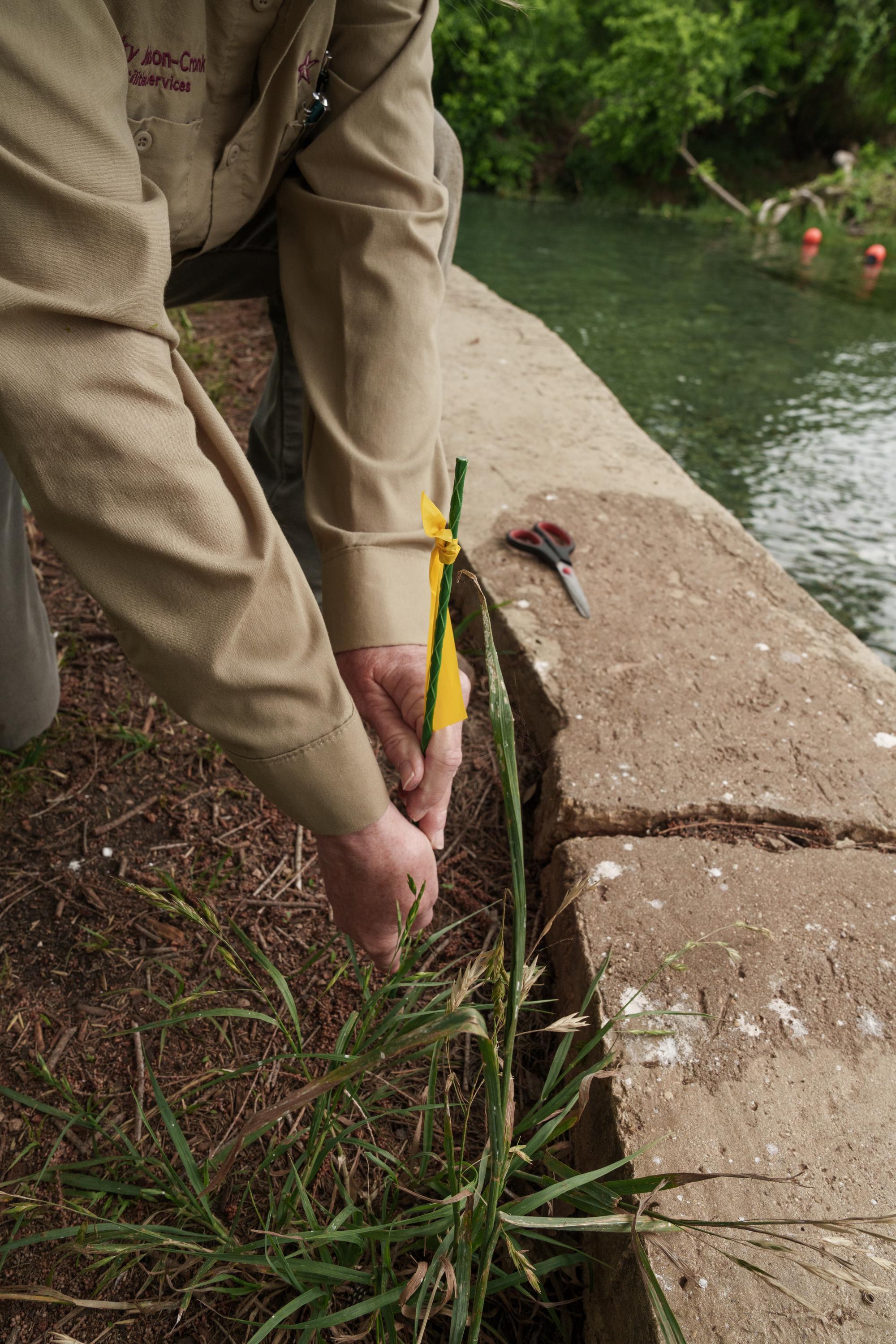
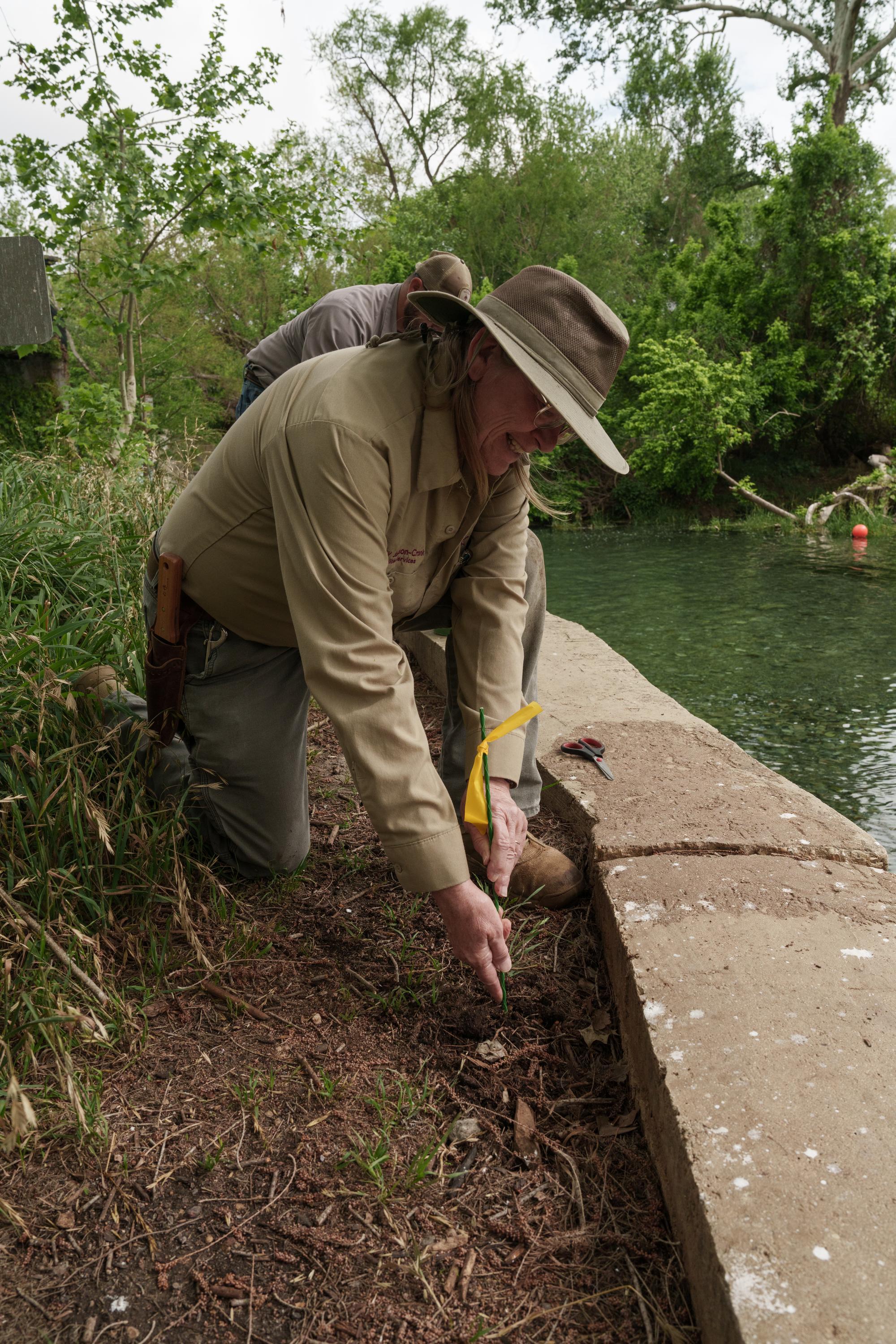
Texas wild rice and native aquatic plant restoration is underway along the upper San Marcos River through a partnership between TXST and the City of San Marcos as part of the Edwards Aquifer Habitat Conservation Plan.
Recycling for campus residents
From the river banks to residence halls, sustainability is practiced throughout campus.
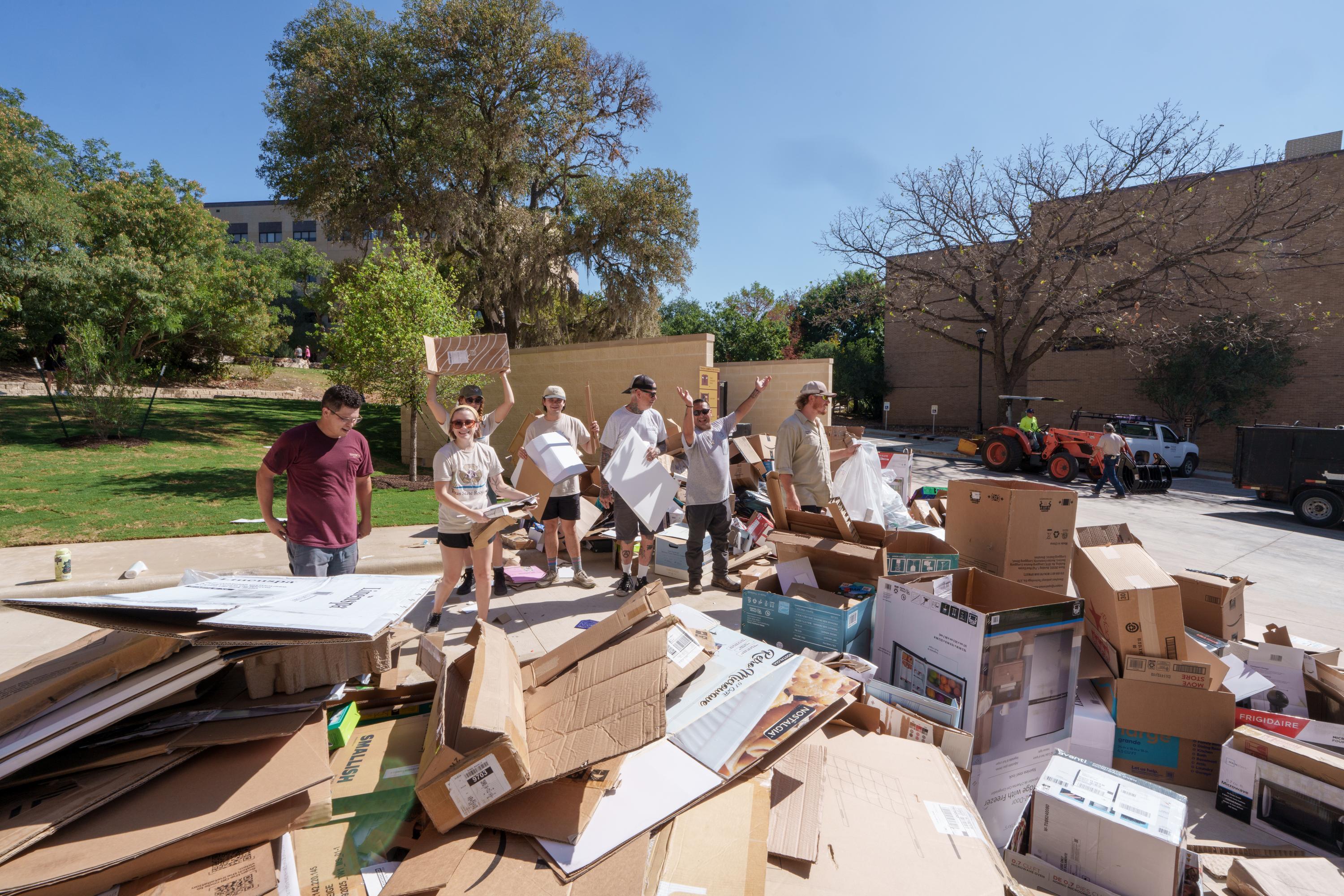
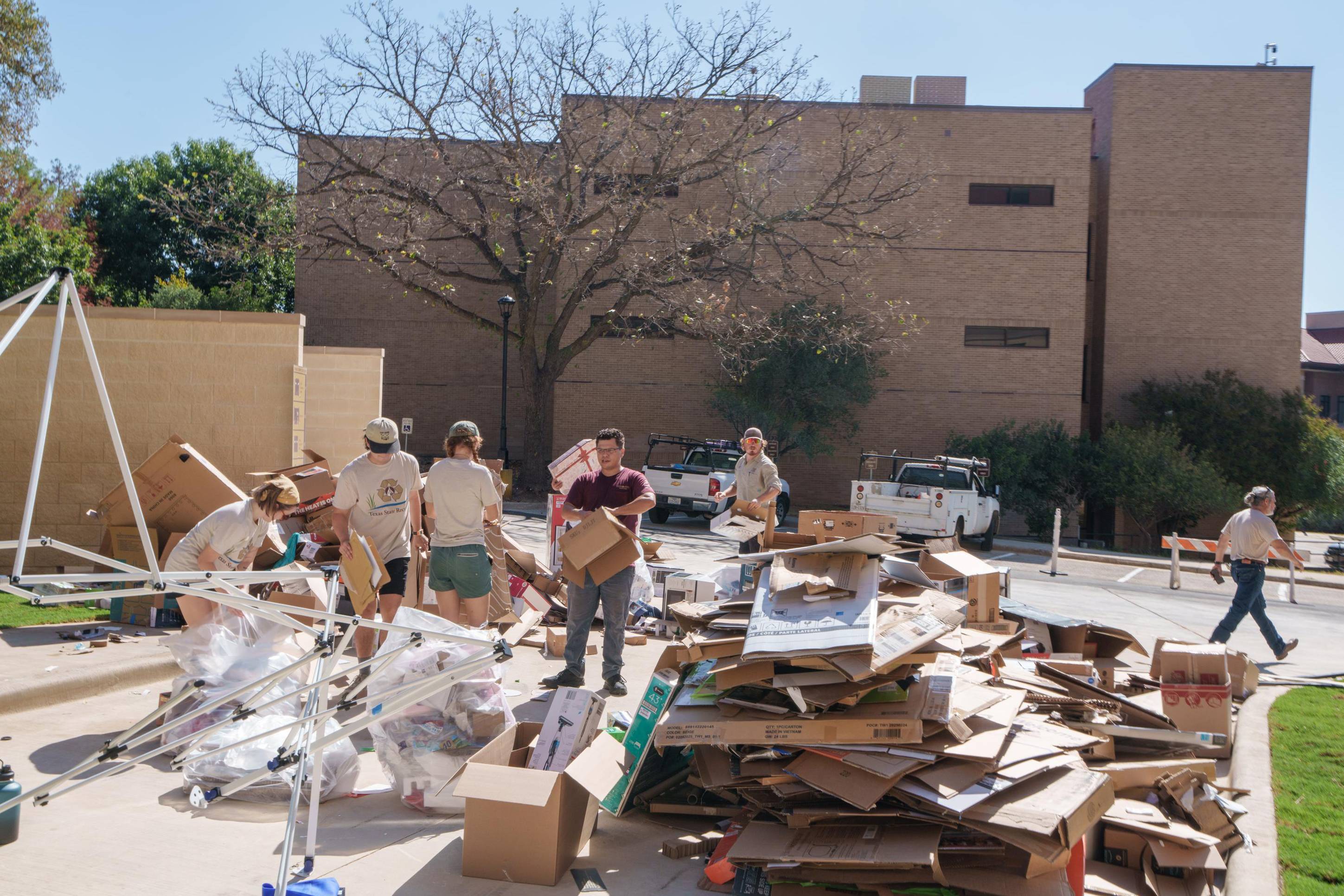
During move-in day, students can recycle their cardboard boxes and drop them off at stations set up outside of their residence halls.
Recycling doesn’t stop at the end of move-in day. Students can recycle year-round throughout campus. Environmental, Health, Safety, Risk and Emergency Management offers recycling for batteries, cellphones, ink jets, and light bulbs.
Keeping campus beautiful
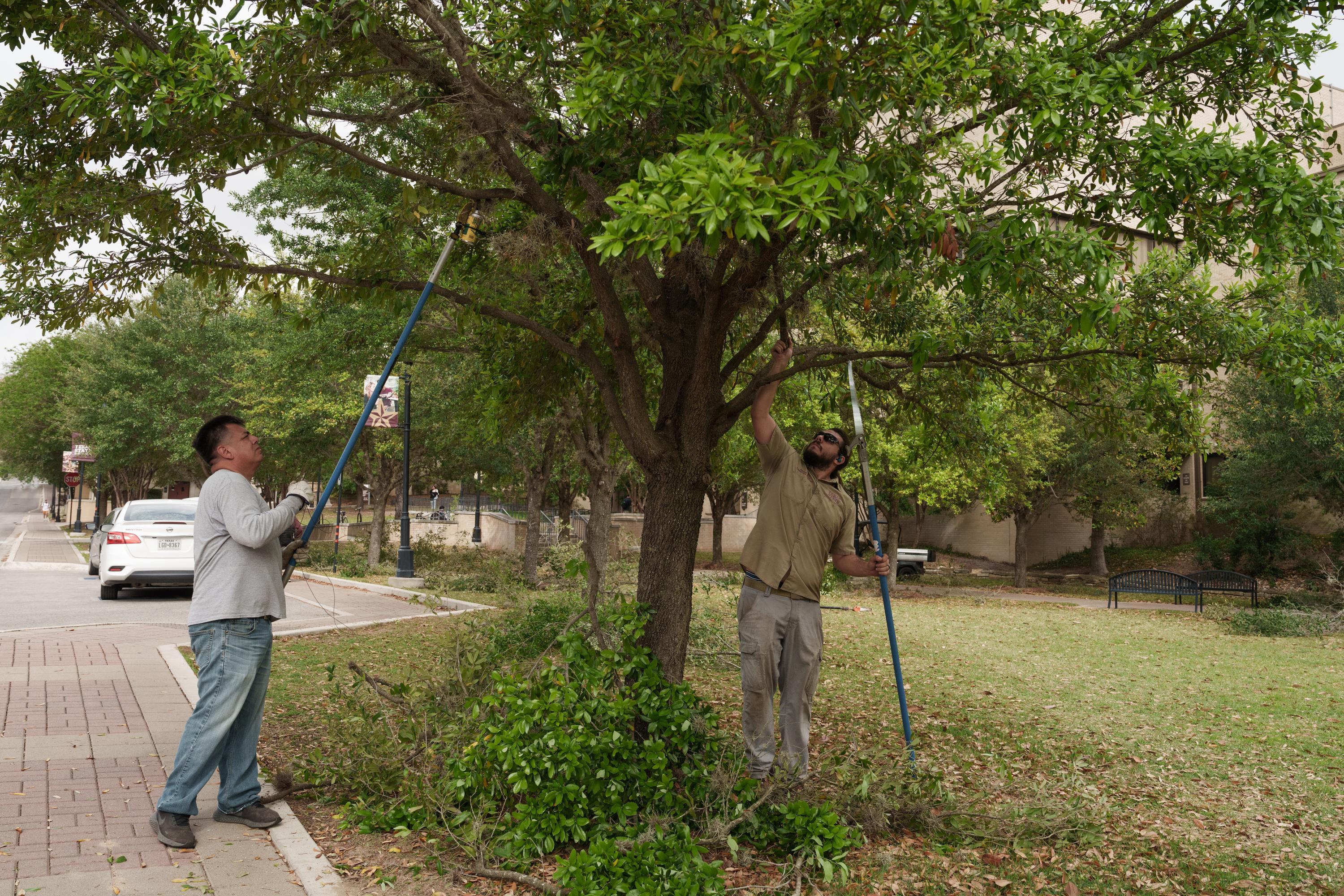
Facilities employees work hard around the year to keep our campus looking great, while helping its natural beauty shine.
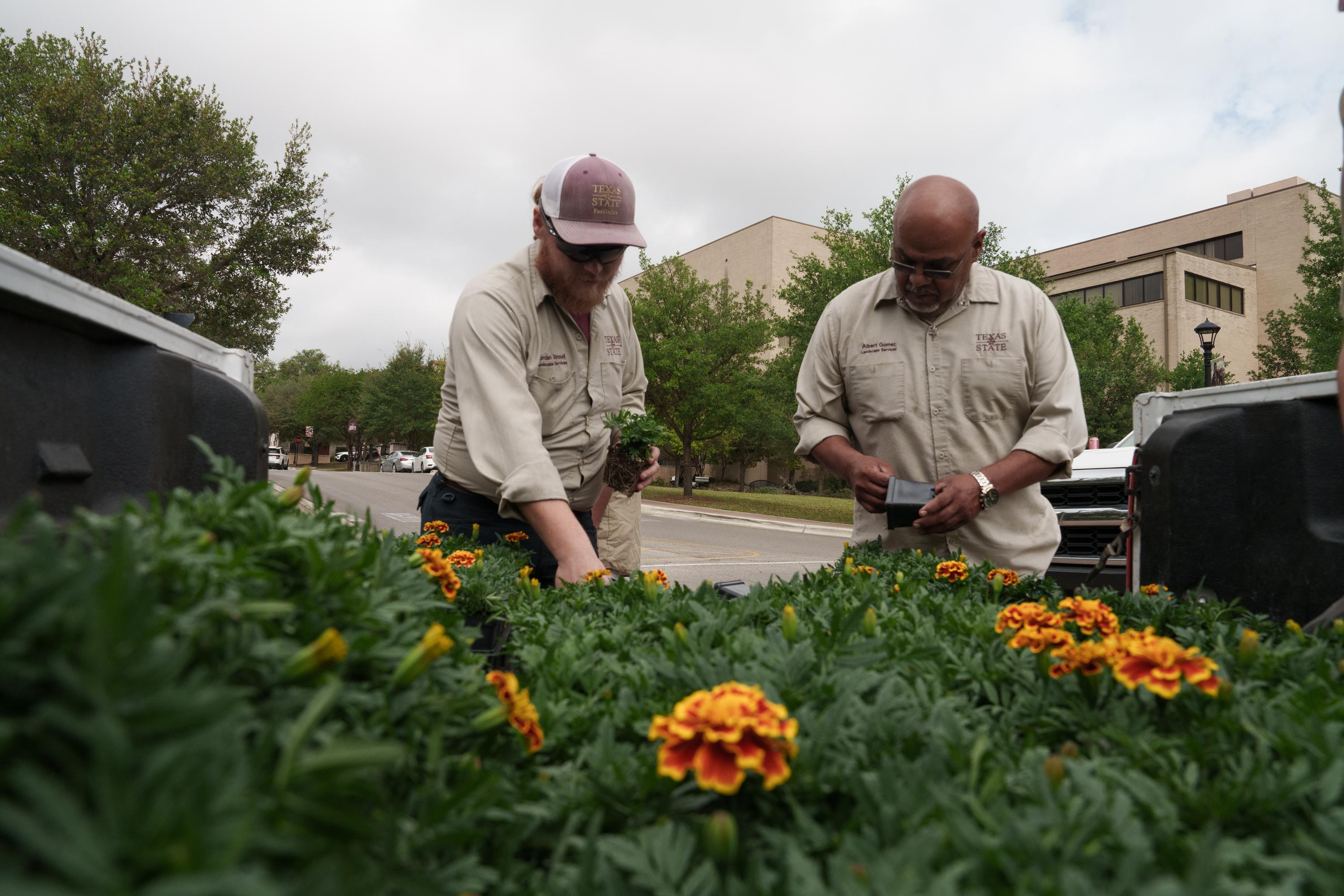
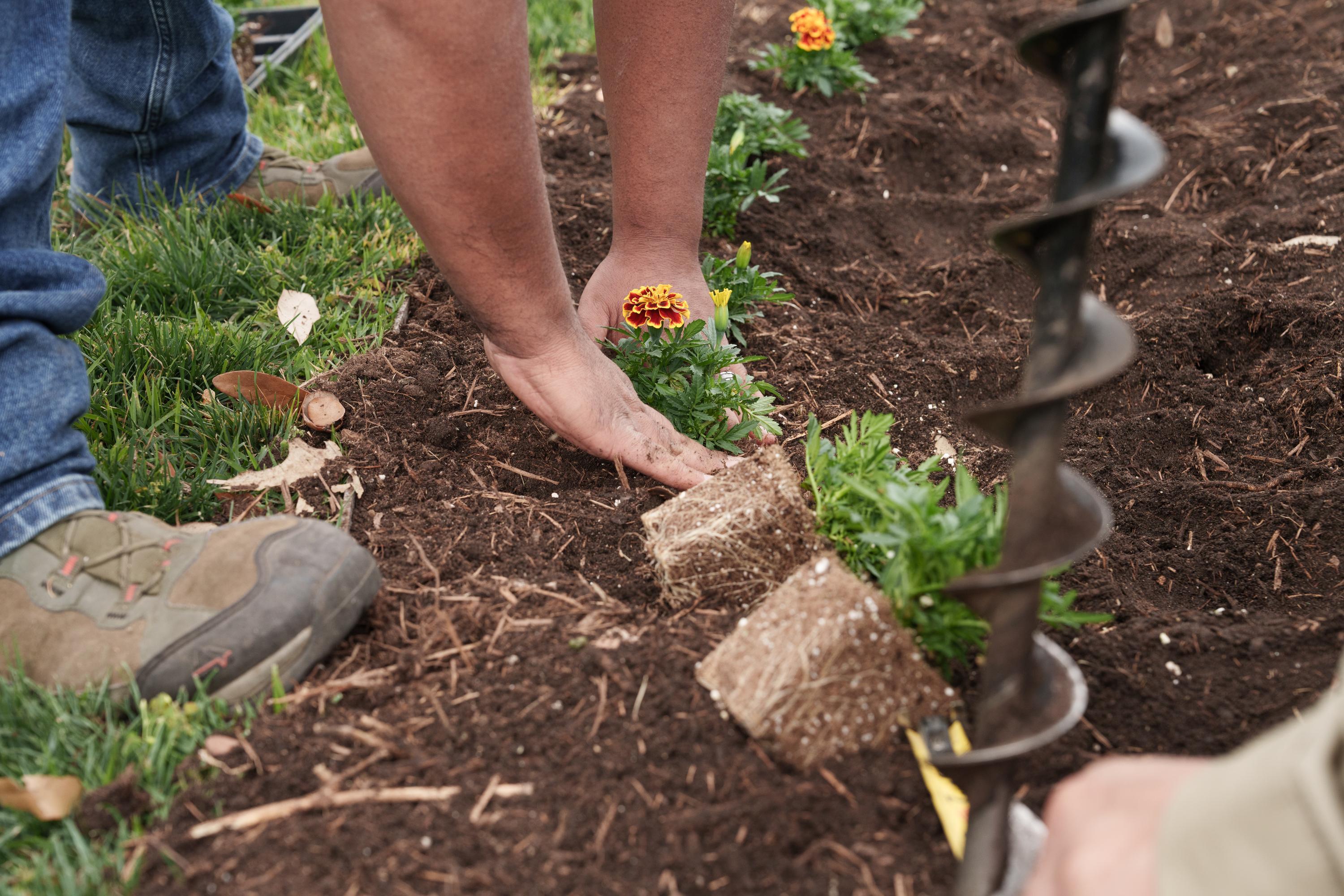
A facilities crew plants French marigolds near J.C. Kellam. Marigolds, which tend to bloom from late spring to summer, are known for their ability to deter pests in gardens.